Automated Vacuum Packaging Production Lines: Process Logic, Control, and Line Integration
Automated Vacuum Packaging Production Lines: Process Logic, Control, and Line Integration
Published on: July 17, 2026
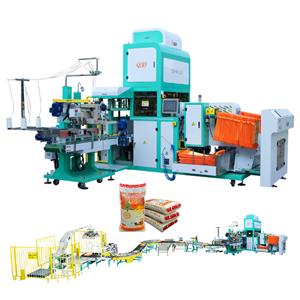
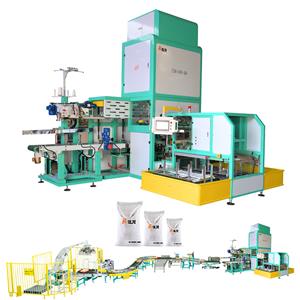
An automated vacuum packaging production line is more than one machine running faster. It is a coordinated system that connects product feeding, bag or tray handling, vacuum treatment, sealing, coding, conveying, and finished output. The real value comes from how well these modules work together.
Buyers should review the full process logic. That includes loading rhythm, product positioning, vacuum repeatability, seal consistency, reject handling, and downstream integration with carton or pallet systems. A fast vacuum cycle alone does not prove line stability.
Modern lines also generate more data. Recipe storage, alarm history, batch records, maintenance warnings, and remote diagnostics can help factories reduce downtime and understand recurring process problems faster.
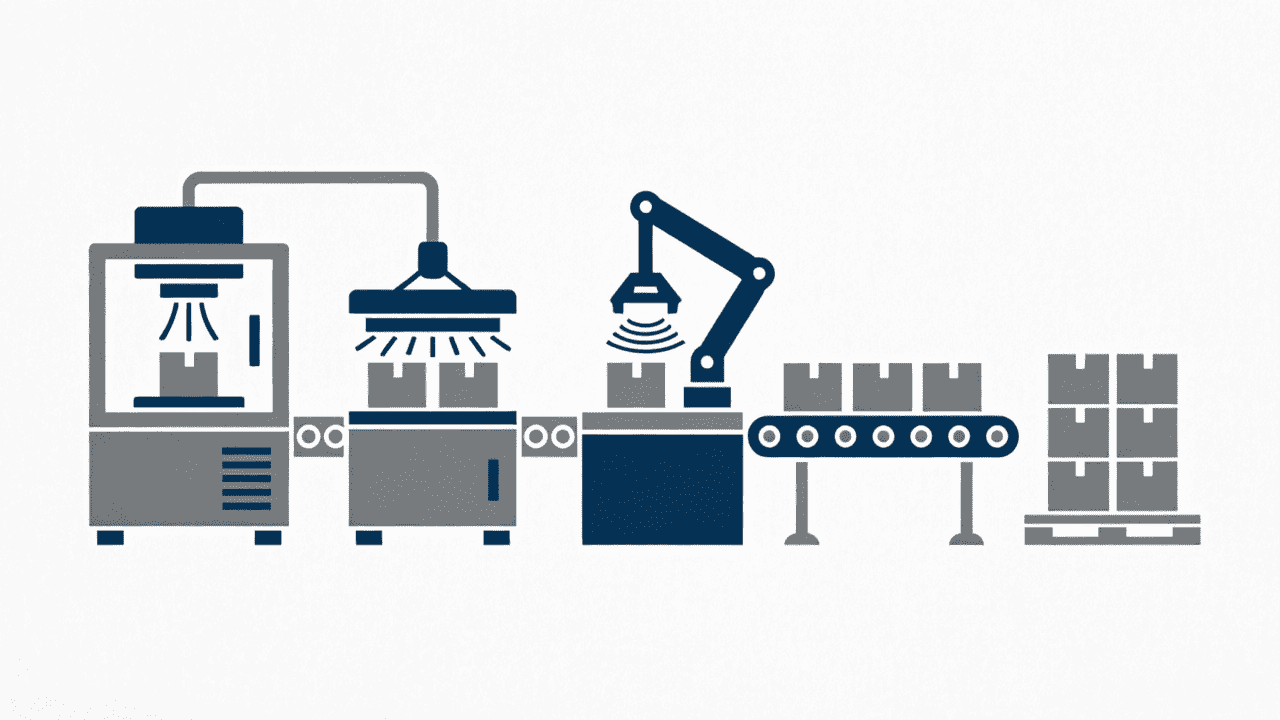
In real factories, line problems often appear at the interfaces between machines rather than inside a single machine. Product may arrive unevenly from the upstream system. Bags or trays may present slightly off position. A coder may slow down after a material change. A downstream conveyor may hesitate and create accumulation. None of those issues sounds dramatic by itself, but together they can reduce the practical value of an otherwise capable line. That is why buyers should ask how the full line behaves as one connected process under routine production pressure.
Maintenance access is another point that deserves plain, practical attention. Automated systems are attractive when they reduce labor pressure, but they become expensive quickly if pumps, seal components, sensors, or cleaning points are difficult to reach. Easy service access does not make a brochure headline, yet it has a direct effect on restart time and routine line care. A production line that is hard to clean or hard to service will eventually lose some of the efficiency it promised at purchase.
The human side of automation also matters. Recipe storage, alarm logging, and batch records are helpful, but only when operators and supervisors can actually use that information without confusion. Good automation should reduce guesswork, not move it onto a touchscreen. If the line clearly shows where it stopped, why it stopped, and what settings were approved, the factory gains much more than speed. It gains a process that is easier to stabilize across shifts.
Another useful check is to run the line long enough to see ordinary variation, not just startup behavior. A short demonstration can hide small interruptions that become visible later, such as bag feeding drift, coding inconsistency, vacuum timing fluctuation, or reject accumulation. When buyers ask for a longer run with the final product and final material, they usually get a more honest picture of the line's real production character.
The best acceptance method is to run the full product flow with actual packaging material and actual output targets, then verify reject rate, seal quality, maintenance access, and downstream stability. A strong automated line is not merely fast. It is understandable, serviceable, and repeatable enough to keep performing after the installation team has left.
A practical line review should include the small stops that happen during normal work. Short pauses for material feeding, coding checks, reject removal, or cleaning access can decide whether the line feels smooth in daily production. Those details are usually more useful than a single maximum-speed number.
Contact our engineering team directly:
Email: export@jialong.cn
WhatsApp: +86-136-2579-4992
Products: automatic packaging line