Granular Vacuum Packing Begins at the Line Interfaces
A useful trial of an industrial vacuum packaging machine starts before the vacuum chamber. Granules arrive with their own particle range, bulk behavior and dust fraction, while the automatic weighing and packing machine has to deliver a repeatable charge without disturbing the next operation. The question is how those conditions travel through the line.
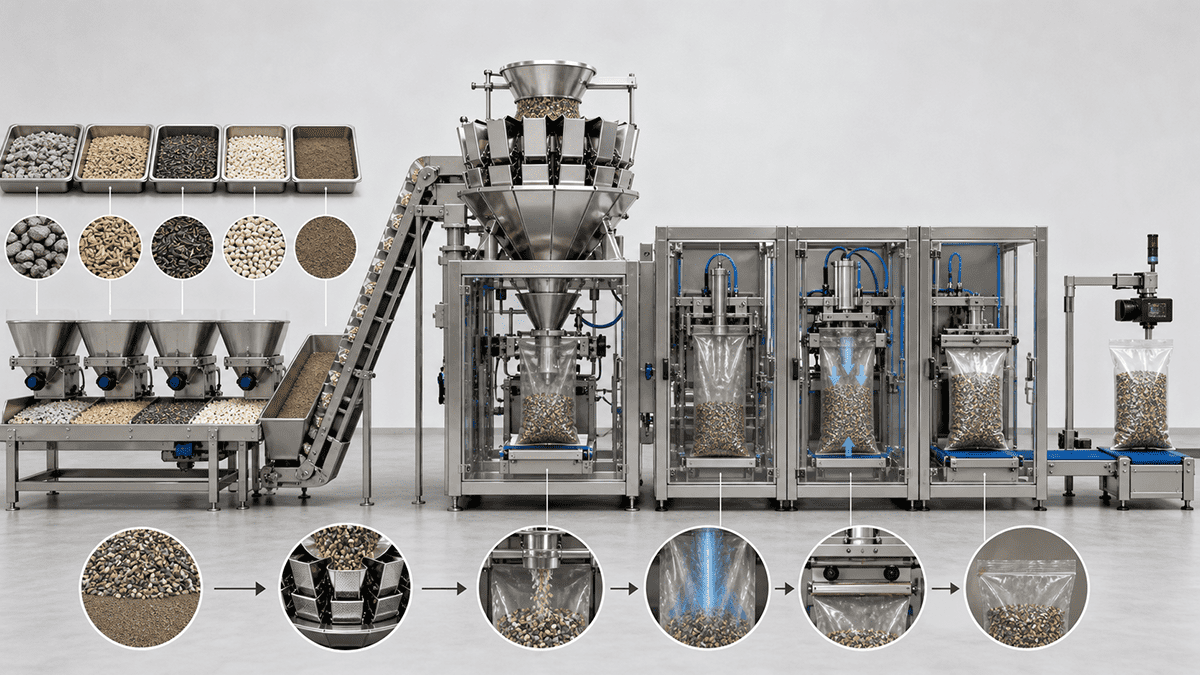
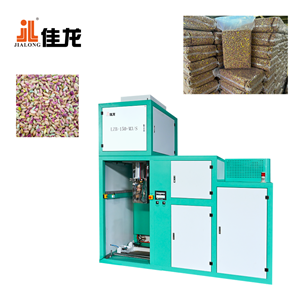
Begin with the material range: Granules may be seeds, angular pellets, mixed-size food or a dusty product. An automatic granule packing machine receives them differently, and that variation follows the fully automatic packaging machine beyond the filler. Representative samples show whether bridges form or fines follow the bag film upward.
The dose becomes an interface: The target weight is only one part of the handoff. Product height, free space and loose particles also affect the next operation. The vacuum packaging machine manufacturer and automatic weighing and packing machine supplier need to review this transfer together: two equal-weight packs can present different top surfaces after a change in feed rate, particle mix or drop distance.
Bag presentation deserves its own record: During a line trial, the automatic weighing and packing machine can be observed with the automatic granule packing machine transfer steps. Notes can identify bag support, empty film above the product and what is visible at the seal. This makes a rejected pack traceable to a stage instead of leaving a general comment about poor vacuum.
Air removal changes the package geometry: As an industrial vacuum packaging machine removes air, the bag settles around the material. Coarse pieces may form an uneven outline; a dusty product can send light particles toward the mouth. A trial of the automatic granule packing machine can hold the material lot and bag constant while settings change. Photos of accepted and rejected packs keep that comparison visible.
Discharge is part of the test: A fully automatic packaging machine continues after the seal is made. The pack leaves the industrial vacuum packaging machine, transfers to the next conveyor and remains in the agreed orientation. Inspection here can cover the seal face, trapped product, pack dimensions and any change in shape after handling.
Keep claims tied to evidence: Reduced volume or better product protection may be project goals, but neither follows from vacuum alone. Film barrier, residual air, seal integrity and storage conditions influence the result. An automatic granule packing machine trial can supply samples for separate evaluation, while the vacuum packaging machine manufacturer identifies which conditions the machine trial did and did not cover.
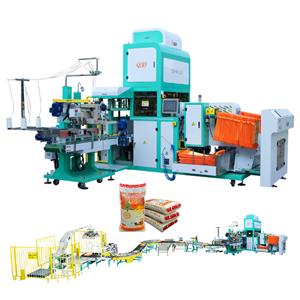
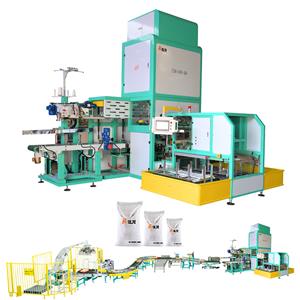
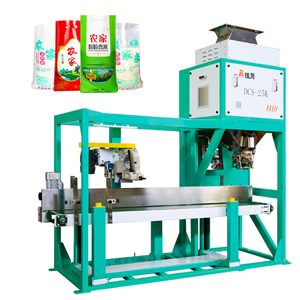
Define the line around real inputs: Jialong's official pages describe arrangements combining weighing, feeding, vacuuming, sealing, discharge and conveying for selected applications. The fully automatic packaging machine depends on the material, bag and adjacent equipment. An automatic weighing and packing machine review needs sample quantities, target weights, film details, floor space and discharge direction.
Acceptance follows the same route as the pack: Weight records can sit beside observations from filling, evacuation, sealing and transfer. That gives engineers a basis for reviewing the industrial vacuum packaging machine and the vacuum packaging machine manufacturer a traceable record of changes. The next run may concern another lot, a different film, or an interface change on the fully automatic packaging machine.