What Rice Buyers Actually Pay For, Reading the Vacuum Packaging Market
Market articles list growth rates and consumer preferences; equipment buyers need the translation. What does a premium on retail packaging mean for a line? What does foodservice demand for bulk packs imply for a weigher? Each market signal maps to a specification, and reading that map prevents investment in the wrong format.
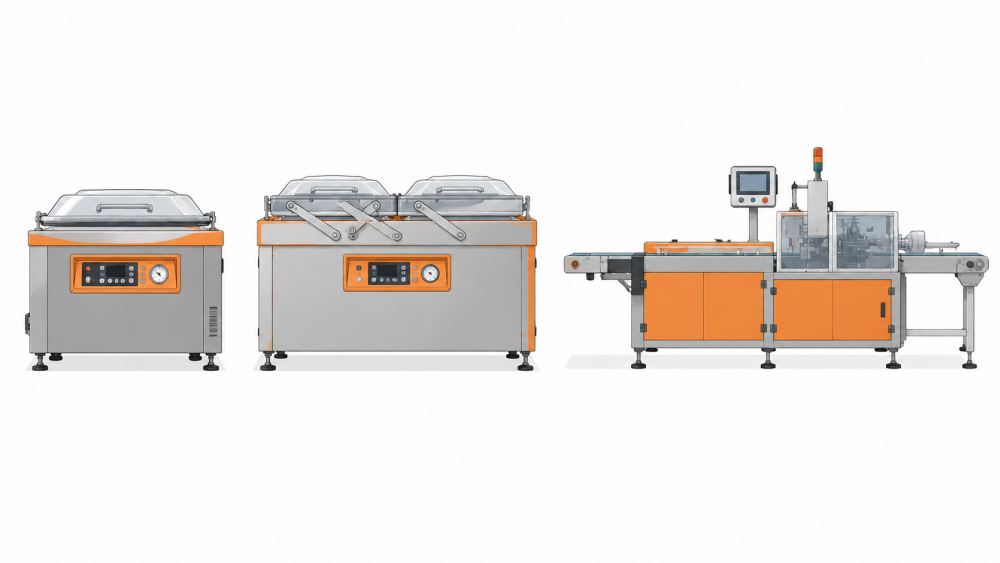
The retail signal: presentation pays: Supermarket rice competes on the shelf, where uniform bricks and clean print faces command better placement and pricing than soft pillow bags. This signal translates into a brick shape vacuum packing machine stage and a film grade that presses without creasing. It also implies consistency: retail chains audit package appearance, and a line that produces uniform bricks passes audits that irregular output fails. A short rice packing machine trial against your own kernels usually gives a clearer answer than another brochure.
The gifting signal: variety and portioning: Gift rice combines varieties in one box: jasmine alongside black rice, small portions in multi-packs. This demand reaches equipment as flexible weighing, multiple fill weights on one line, and gentle handling of premium varieties. A rice packing machine planned for gift production needs recipe flexibility more than raw speed, because changeovers between varieties are frequent and each variety deserves its own gentle evacuation profile.
The e-commerce signal: transport survival: Rice sold online travels badly unless packaged for it. Formats survive vibration and stacking pressures only with strong seals and dense packing, which reinforces brick formats and high-integrity sealing. Vacuum packaging machinery built for this channel gets judged by damage-claim rates, not by line speed, which is a different way of comparing machines. A full season changes the way buyers think about the rice packing machine; availability and cleaning time move ahead of headline speed.
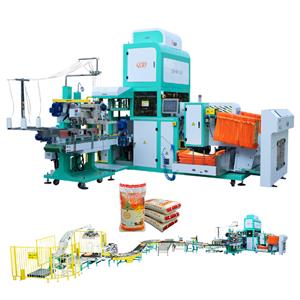
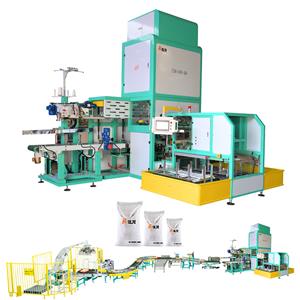
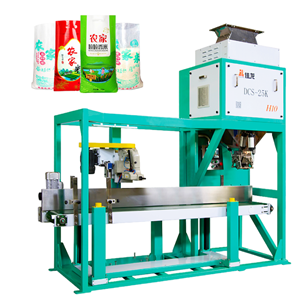
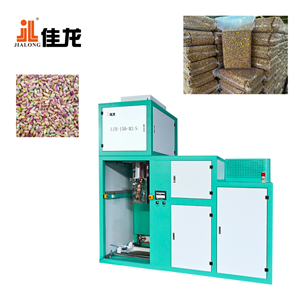
From market to specification: The workable sequence: pick the channel that pays you best, list what its buyers physically require of a package, and write those requirements as machine specifications before contacting suppliers. Zhangzhou Jialong Technology Co., Ltd. maps channel requirements to line configurations at https://jialongpacking.com/ for processors preparing investment decisions.
An automatic rice packing machine only stays accurate when the hopper level is stable, so keep the upstream feed within its working band. On a rice line, a thin or uneven feed shows up first as weight drift, not as an alarm.
A concise automatic rice packing machine training note helps temporary staff avoid improvising during a busy changeover.
The vacuum packaging machinery log should live near the panel, where the person making adjustments will actually use it.
When planning rice vacuum packaging machine changes, adjust one setting at a time so the outcome stays attributable.
Retail shelves reward the rice brick for neatness, but the brick shape vacuum packing machine behind it is judged by corner integrity after stacking. Drop-test one pack per shift during commissioning and log the result.
Calibrate the automatic rice packing machine with the same rice grade you ship, not with a substitute. Different kernels flow differently, and the dosing table that suits one grade can miss the target on another.
What rice buyers pay for shows up in packaging: brick shape for retail shelves, flat bags for food service, premium films for gift formats. A rice vacuum packaging machine configured for one market needs fresh validation before it is used for a different channel. Vacuum packaging machinery that holds its seal quality across formats protects the premium, and an automatic vacuum packer with consistent dosing keeps the cost side under control.
A rice vacuum packaging machine should serve the market you actually sell into. Retail shelves, gift formats and food service each reward a different setup; switch formats only after testing the automatic vacuum packer on the new one. Match the machine to the buyer, and the premium protects itself.
Vacuum packaging machinery should reflect the market you sell into; if a market change also means a format change, the automatic vacuum packer has to be retested.
An automatic vacuum packer set up for retail bricks may still run food service flat bags, but only after a separate cycle test and a new recipe.
A brick shape vacuum packing machine pays for itself only in channels where shelf presentation moves volume; otherwise a flat pouch does the job. Where the market rewards speed instead, a flat bag line is the better answer. Match the format to the buyer, and the premium protects itself.