Running a Seed Packing Machine Without Losing Germination
Seed is the only product in a packing hall that can lose half its value without changing appearance. A machine that bruises a rice kernel costs a fraction of a cent. The same bruise on a seed costs the germination, and the loss only shows up three weeks later in a laboratory tray.
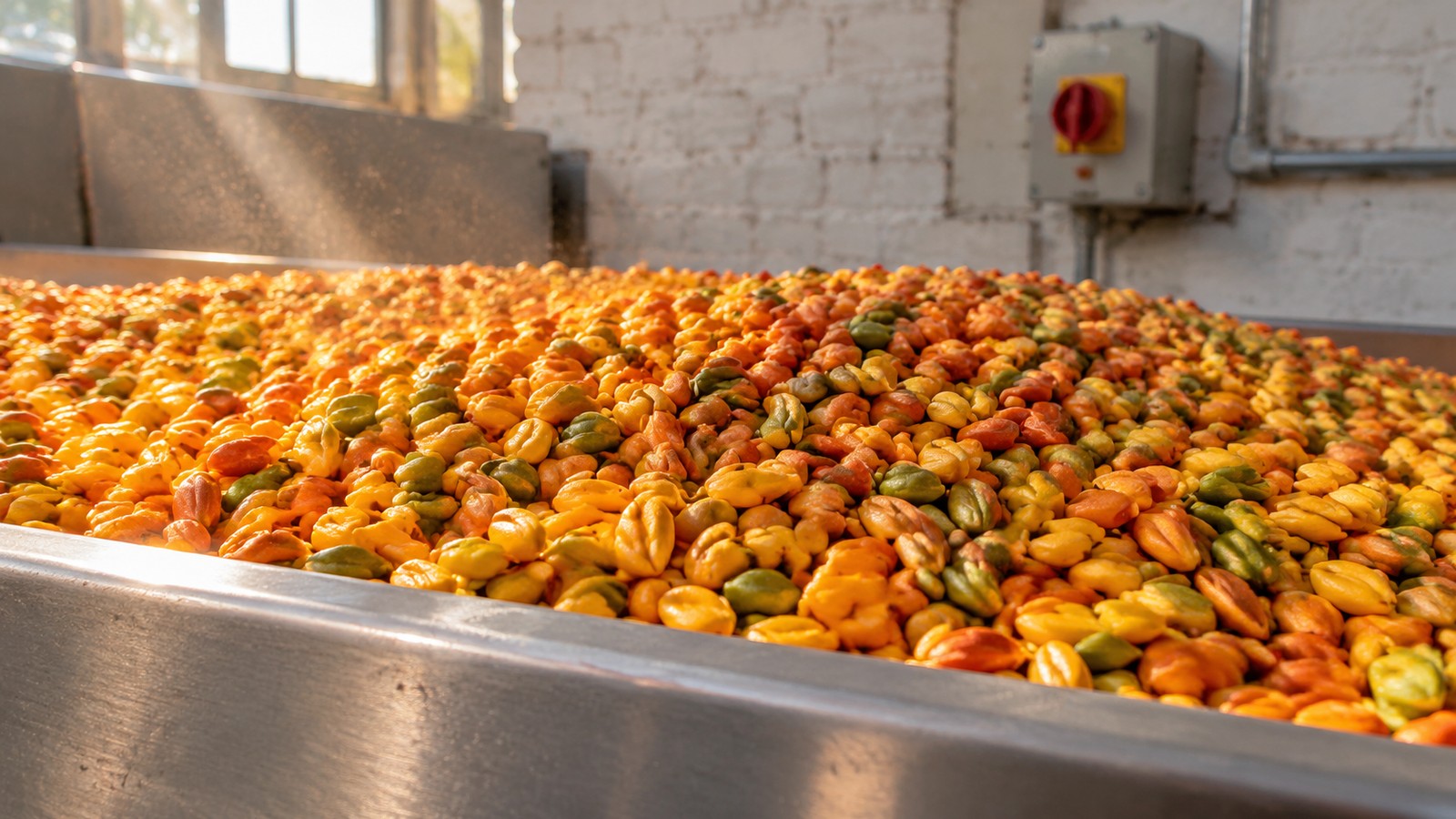
Seed held in the weigh hopper above the discharge doors, the point where a 900 mm drop into a sack begins.
Three ways a machine kills germination
Impact from a height, heat from a seal or a blower, and moisture taken up through a bad closure. An automatic seed packing machine for 25 kg bags can cause all three, and it usually causes them in that order. Only the first is mechanical, which is why the first is the only one most buyers ask about.
Drop height is the first number to measure
Hold a sample at the spout lip and drop it into a bag on the floor. That is 600 to 900 mm on most lines. Wheat tolerates it on a seed bagging machine. Beans and maize do not, and neither does groundnut. Build a chute into the bag so the seed slides instead of falls, because a 45 degree chute costs almost nothing and cuts impact velocity by more than half.
Ask any supplier of an automatic seed packing machine for 25 kg bags whether the spout can take a chute. A hesitation is an answer: they have not packed seed.
Heat, and where it comes from
Two places. The heat sealer on a film bag, and the blower on a pneumatic conveying line. A seal at 160 degrees for half a second warms the film rather than the seed, and is usually safe on a seed bagging machine. A blower running on 90 degree air is not.
Measure the seed temperature at the bag, not the air temperature. A rise of more than 5 degrees above ambient costs germination in some species, and it is invisible in a test that checks weight only. A seed packing machine for 25 kg bags can pass every weight check while failing the tray.
Moisture is a closure problem
Seed at 12 percent in a humid hall picks up water through a stitched seam within a week. That is not a machine fault, but it is a machine decision on a seed bagging machine, because a stitched woven bag and a heat-sealed film bag behave completely differently.
If the seed sits for a season, seal it. If it ships in a month, stitch it and keep it dry. An automatic seed packing machine specified for both needs two closures, and a quotation that claims one closure does both is selling a compromise.
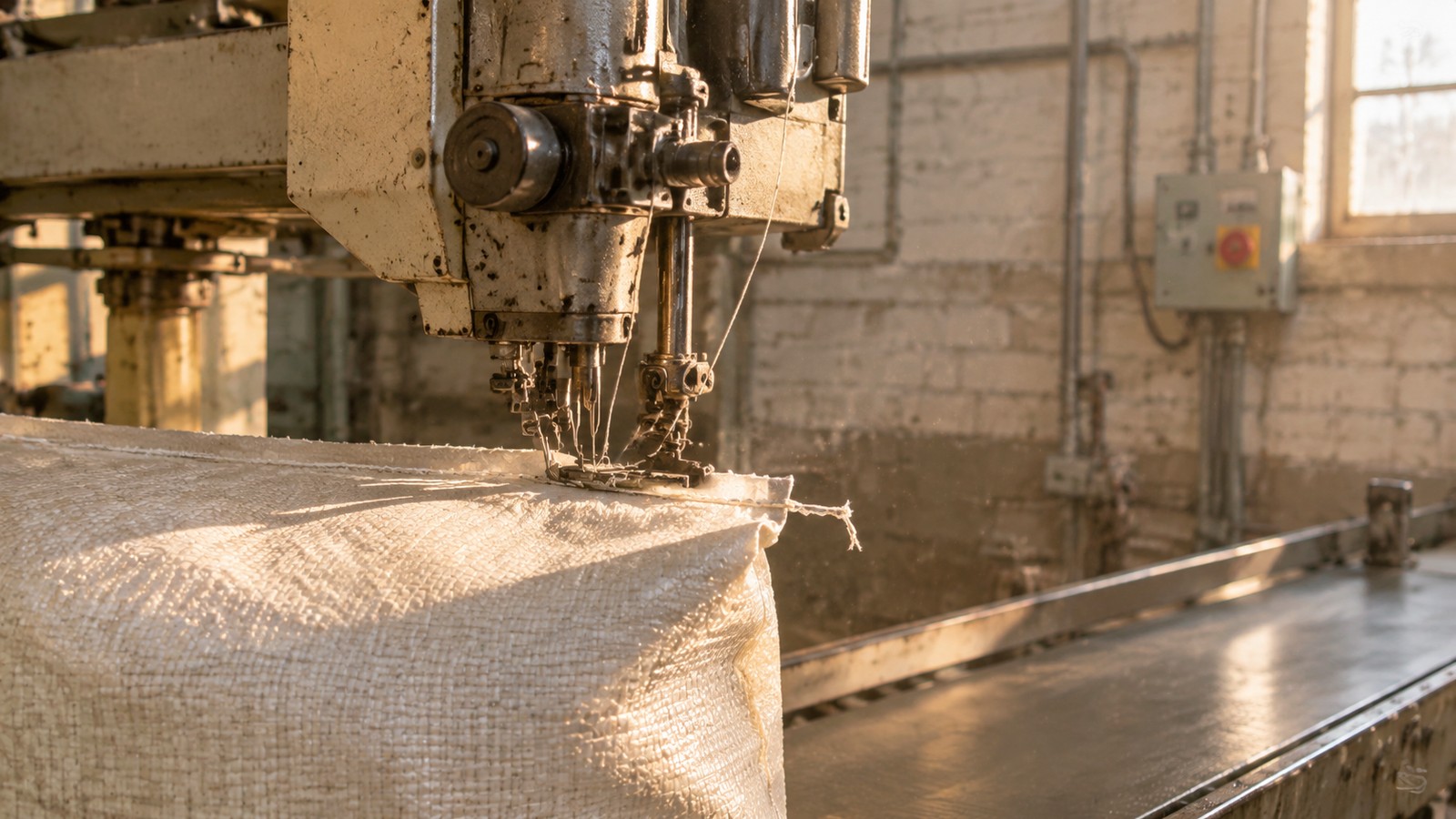
Seed falling from the discharge spout into a woven sack, the impact the chute is meant to remove.
Cleaning between varieties
A seed bagging machine that packs three varieties a day has three contamination risks: the hopper, the chute, the weigher. The weigher is the one people forget, because it looks closed. Run 3 kg of the next variety through as purge and bag it as reject.
Label the reject bin beside the seed packing machine for 25 kg bags and return it to the matching lot at the end of the week, so the loss is time rather than product. A seed bagging machine with a labelled purge bin gets purged; one without gets skipped on a busy afternoon.
The test that matters
Take 100 seeds from the first bag of a run on an automatic seed packing machine and 100 from the last bag, and send both to a germination test. If the last bag tests lower, the machine is damaging seed somewhere in the run, and the somewhere is usually heat or impact.
Two tests per variety per season on a seed bagging machine cost less than one rejected shipment. A seed packing machine for 25 kg bags that passes both is a machine that can be trusted with next year's crop, and the tray is the only evidence an agronomist will accept.
The temperature that costs germination
Seed at 30 degrees in a hopper loses germination faster than seed at 20, and a seed bagging machine in an unshaded room heats the product simply by holding it. Shade the hopper of the seed bagging machine and run the batch rather than holding it overnight. On a seed bagging machine a lot held warm for a day loses more than a lot packed cool in an hour.
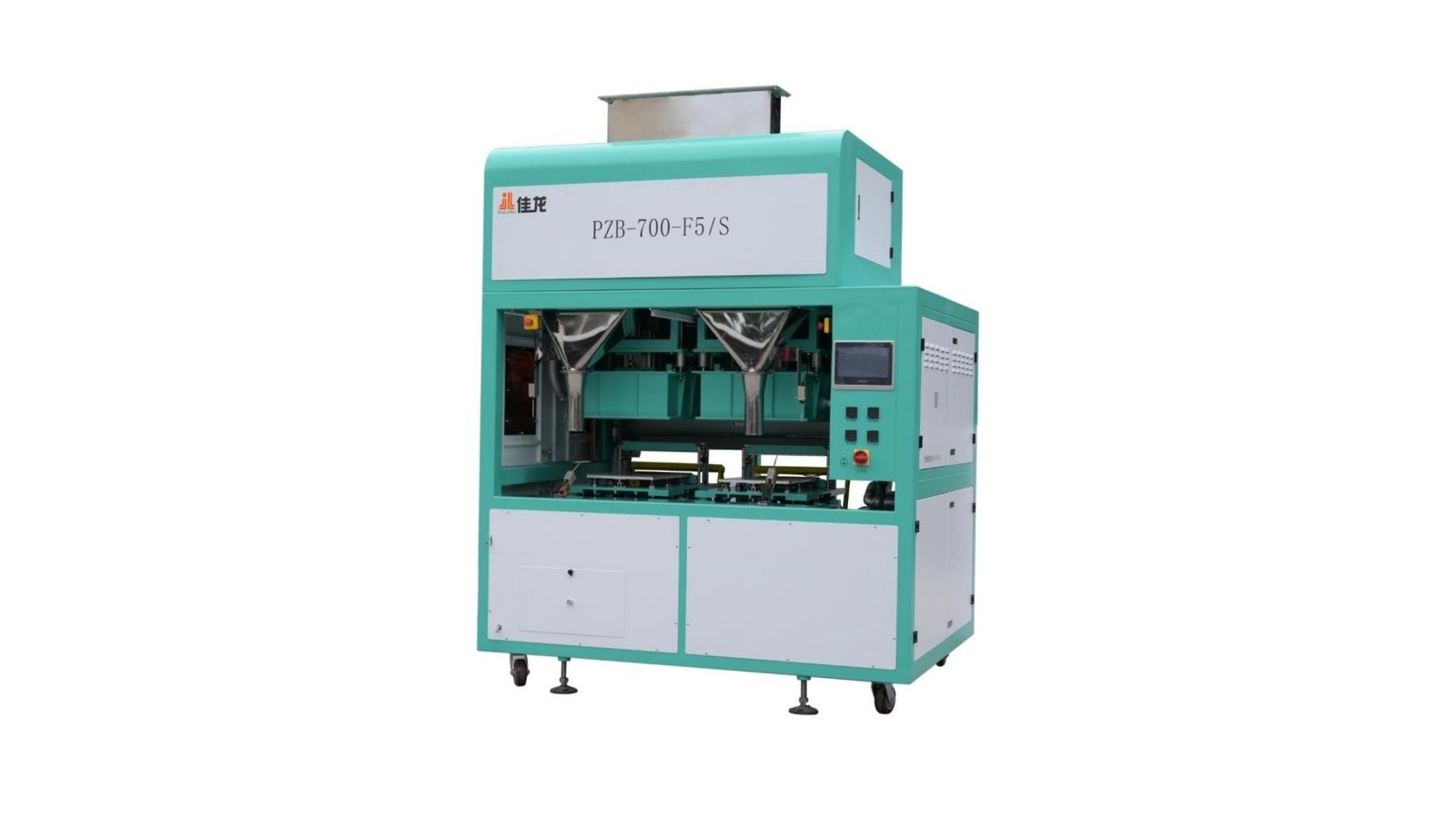
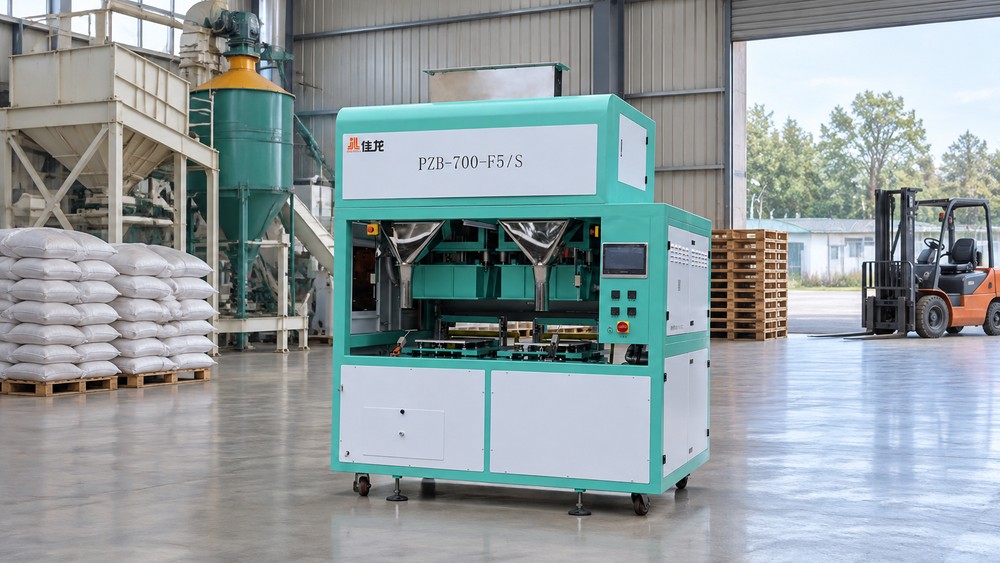
Teal-green vacuum packing machine with twin filling heads, control panel and stainless chamber, the frame the acceptance sheet belongs to.
What to write into the acceptance test
Three lines on the seed bagging machine. Germination of the first bag and the last bag, tested by a laboratory you name. Drop height measured at the bag exit. A temperature log from the hopper across a full shift.
A seller who will not sign those three lines has not run seed through an automatic seed packing machine, and a seller who signs them without measuring is telling you which of the three he expects to fail.
The number that decides the quotation
Germination on an automatic seed packing machine is not a specification, it is a measurement, and it belongs in the contract with a date and a laboratory. Everything else on an automatic seed packing machine for 25 kg bags is negotiable. That line is not, because it is the only one the buyer can test after delivery.
Zhangzhou Jialong Technology Co., Ltd. builds the automatic seed packing machine for 25 kg bags and the seed bagging machine in Zhangzhou, and quotes the chute, the closure and the temperature log as part of the line rather than as options. The grain bagging range sits at https://jialong-packing.com/, and export@jialong.cn or +8613806951676 will send an acceptance sheet with the three lines already written.
Send the species, the bag weight, the daily tonnage and the moisture at which the seed leaves the drier. Four numbers decide whether the seed packing machine needs a chute, a second closure or a shaded hopper, and only one of them is usually quoted.