Seed Vacuum Packaging Begins With Storage Conditions and a Line Trial
Vacuum-packed seed is a storage project before it is a machinery project. A seed vacuum packaging line should be specified only after the processor identifies the seed species, initial moisture, target storage temperature, bag barrier and germination test plan. Those inputs shape the automatic seed packing line and the seed weighing and filling system that feeds it. They also affect the film presented to the vacuum bag sealing machine. A useful trial checks whether the granular seed packing equipment handles the lot without unacceptable damage and whether the finished package remains within the agreed limits.
Define the storage protocol first
The supplied industry article associates oxygen removal with longer seed life. That possibility needs a boundary. FAO guidance places seed moisture ahead of oxygen and temperature among the factors affecting ageing, while USDA storage protocols combine moisture adjustment, controlled temperature and germination testing. The engineering brief for a seed vacuum packaging line should therefore state whether the lot contains orthodox or moisture-sensitive seed, its allowed moisture range, the planned storage period and the minimum acceptable germination result. The automatic seed packing line cannot correct poorly dried seed. A seed weighing and filling system also needs the bulk density range, particle size and allowable mechanical damage before its feed method can be reviewed.
Connect the process around a measurable pack
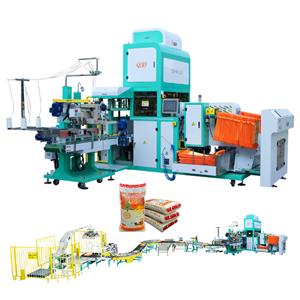
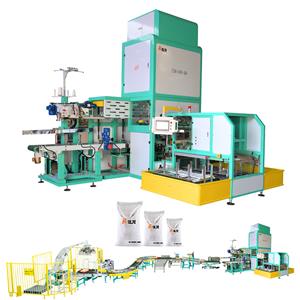
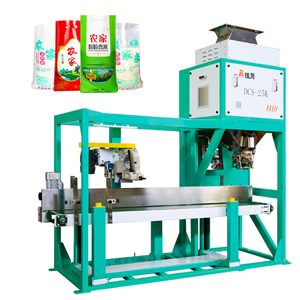
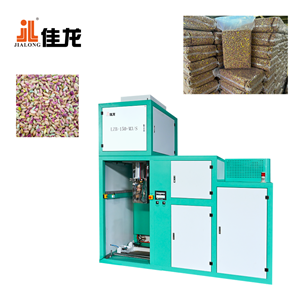
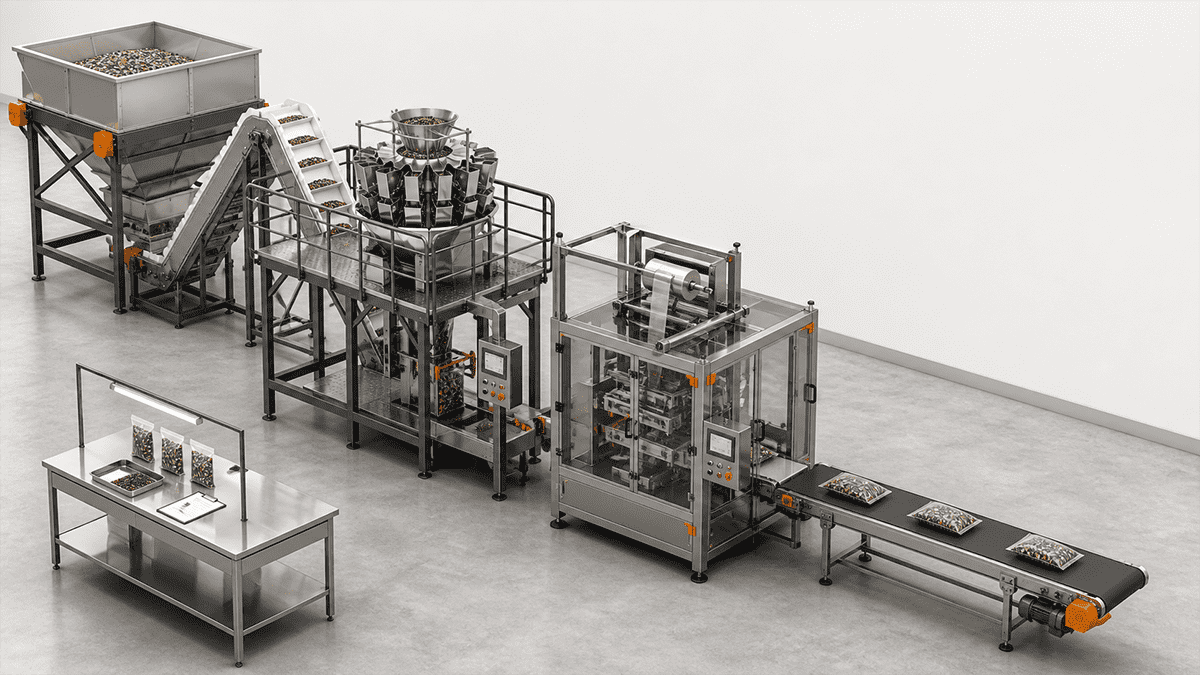
Map receiving, cleaning or grading, buffering, weighing, bag presentation, air removal, sealing and discharge as one flow. Jialong's published pages show equipment sequences that combine weighing, feeding, vacuuming, heat sealing and delivery, but the arrangement for seed must be confirmed by a sample trial. Check the transfer into the granular seed packing equipment, the dose released by the seed weighing and filling system and the bag support at the vacuum bag sealing machine. The automatic seed packing line should also define signals, conveyor levels, operator access and the action taken when a bag is missing or a seal is rejected.
Use pack evidence instead of a general trend claim
Run representative production seed and the proposed film through the seed vacuum packaging line. Record fill weight, visible seed damage, fines, residual pack thickness, seal appearance and leakage results under an agreed method. Retain samples for germination comparison against an appropriate control lot. The vacuum bag sealing machine should be assessed with the expected dust at the seal area, not only with clean film. If recyclable or plant-based film is being considered, test its machinability and barrier specification rather than assuming that a sustainability label predicts performance. The granular seed packing equipment should then be rerun after a normal stop so the team can inspect restart conditions, residual material and the next seal produced by the vacuum bag sealing machine. A second lot through the granular seed packing equipment can show whether the cleanout method prevents mixing.
Data features belong in the same acceptance plan. A QR code can carry lot information without changing the packaging process, while sensors or connected records introduce separate requirements for calibration, data ownership and system integration. Do not treat those ideas as standard functions of an automatic seed packing line. Instead, list the required code quality, reader position and data handoff. Test the automatic seed packing line with the actual code or label position. Confirm that the seed weighing and filling system provides the agreed production record and that the vacuum bag sealing machine leaves enough clean area for the chosen label or print. For a complete seed vacuum packaging line, test those checks at the planned bag sizes and line conditions.
Build the enquiry around samples and acceptance limits
Provide seed samples, moisture data, germination criteria, bag drawings, film specifications, target weights, storage conditions, available utilities and the site layout. Use Jialong's verified vacuum equipment category to identify a starting configuration, then compare the published flat-pack process with the flat and brick pack option. The final seed vacuum packaging line, automatic seed packing line, seed weighing and filling system, vacuum bag sealing machine and granular seed packing equipment should be selected only after the agreed material and package tests.