The Oil in a Nut Packing Machine Is What Ruins the Bag
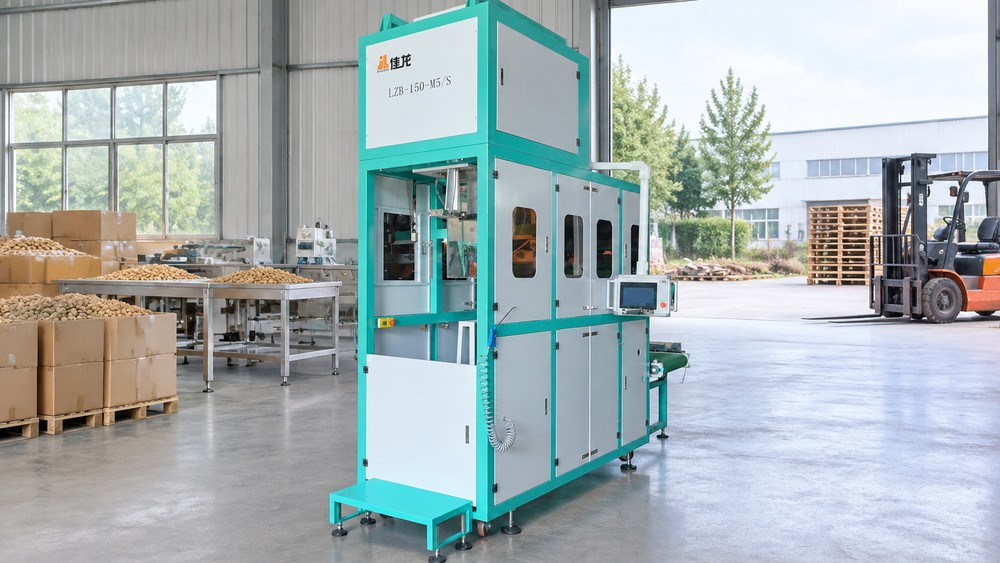
A nut goes rancid from the inside, not the outside, and it does it slowly enough that the customer finds it before the packer does. A nut packing machine is the last chance to slow that clock down, and the clock has already been running since the day the crop was dried.
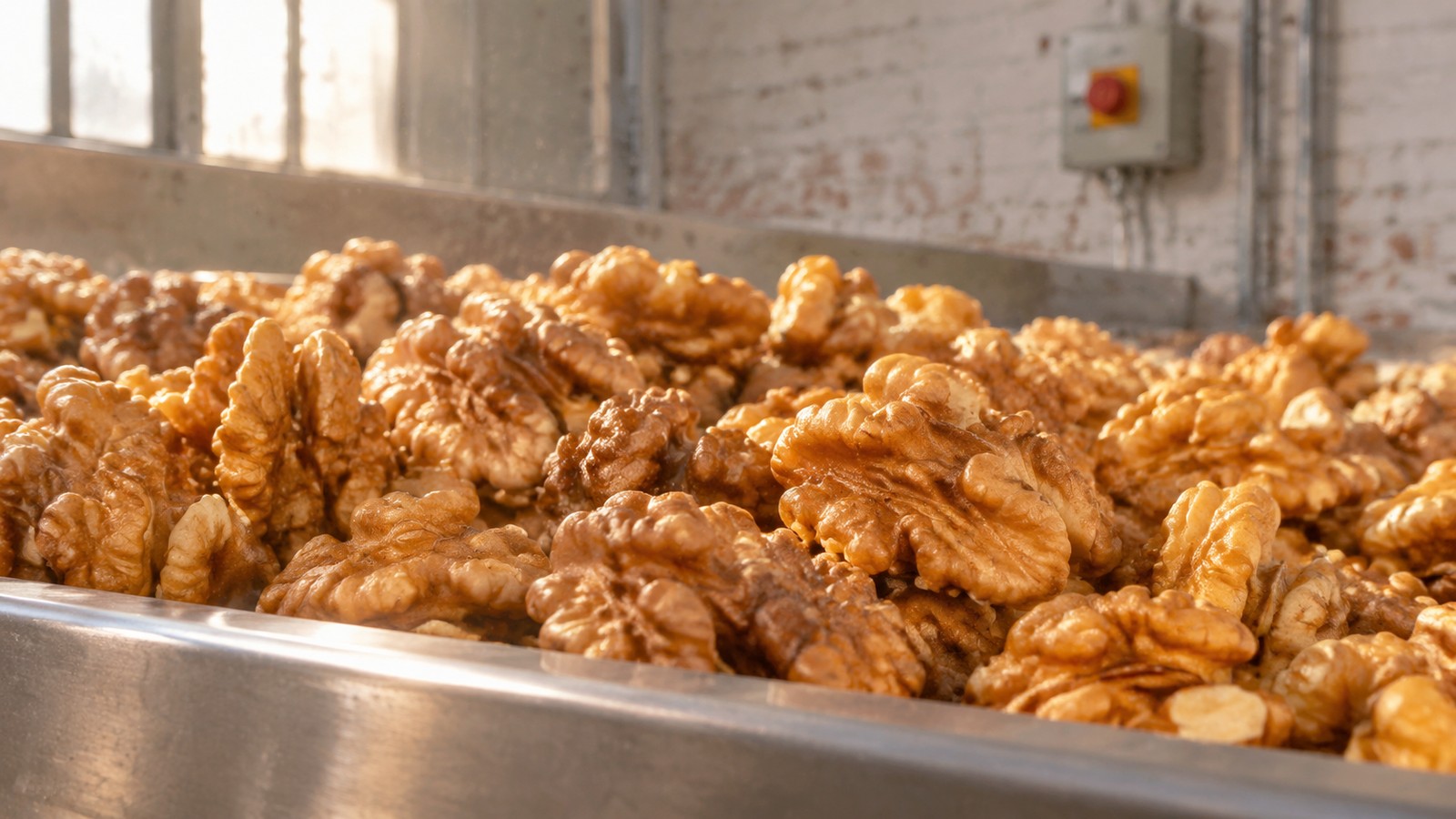
Walnut kernels held above the discharge doors, the lot whose oil is already oxidising before the bag closes.
What oil does over time
Every nut carries 45 to 70 percent oil by weight. That oil oxidises when it meets oxygen, and the reaction speeds up with heat and light. Walnuts at 65 percent oil go rancid in months. Almonds at 50 percent hold a year. Peanuts fall between and depend almost entirely on how they were stored before the bag.
You cannot stop oxidation in a bag, and no nut bagging machine claims to. You can slow it, and on a nut bagging line the two levers are the oxygen inside the package and the temperature outside it. Only the first is within reach of an automatic nut packing machine, and only the first belongs in the quotation.
The two numbers a buyer should ask for
Residual oxygen, measured as a percentage inside a sealed bag, and peroxide value, measured on the nuts themselves at the start and end of the shelf life. Both belong in the specification of an automatic nut packing machine for 25 kg bags. A vacuum bag reaches 1 percent or below. A nitrogen-flushed bag reaches 2 to 4 percent and costs less per bag.
A plain sealed bag sits at 20 percent, which is where the air started. A nut packing machine for 25 kg bags that cannot state which of the three it produces has not been measured, only described.
When vacuum is the wrong answer
Vacuum compresses the nuts, and a vacuum-packed walnut is a crushed walnut by the time it reaches a supermarket shelf. Hard-shelled and dense nuts survive it on a nut bagging machine. Kernels and halves do not.
So the choice is usually nitrogen for kernels and vacuum for in-shell or for the dense species. An automatic nut packing machine for 25 kg bags specified without that distinction will produce a beautifully sealed bag of broken halves, and the seal will test perfect.
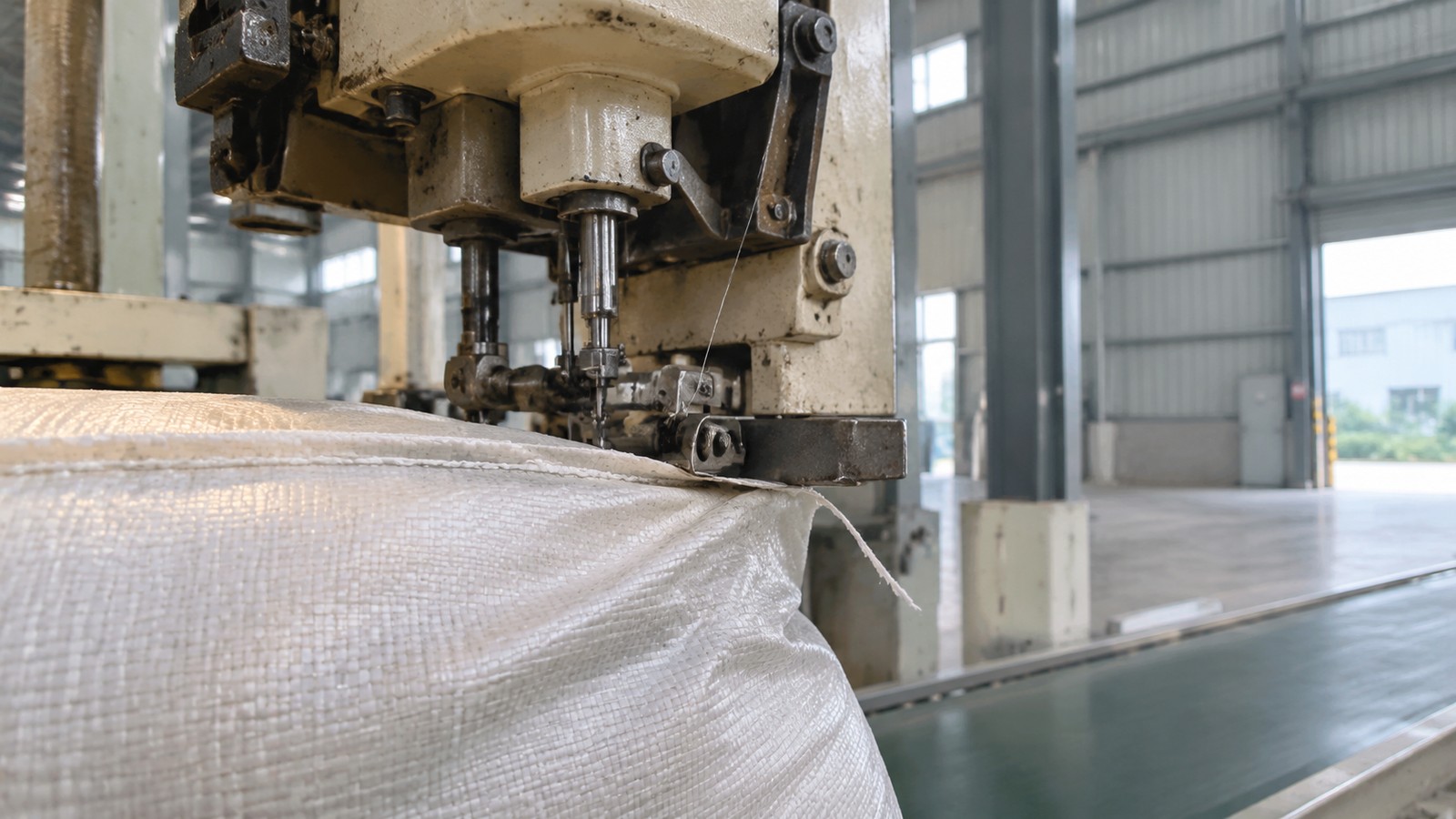
Nut kernels falling from the spout into a sealed bag, the drop where light and oxygen enter the shelf life.
The crush point
Test it yourself on the nut bagging machine you are about to buy. Put 500 grams of your kernels in a vacuum bag, seal it, and open it after two days. Count the broken pieces against the sample you set aside.
If more than 5 percent broke, vacuum is not for that product at that bag size on any nut bagging line, whatever the nut bagging machine is set to. Smaller bags help, because a 500 gram bag crushes less than a 5 kg bag: the load on the bottom layer is lower. Format is a decision, not a detail.
Light, the forgotten variable
A clear bag off a nut bagging machine lets light in, and light accelerates oxidation in the surface layer. It matters less than oxygen and more than most packers think. On a six month shelf life, an opaque or metallised bag off a nut bagging machine buys a month, and it costs a fraction of a cent per bag.
The temperature rule that beats them all
A nut held at 25 degrees loses freshness three to four times faster than the same nut at 15, and a nut bagging machine cannot change that. No automatic nut packing machine can compensate for a warehouse that reaches 35 degrees in summer.
If the warehouse is hot, spend the money on the roof before the automatic nut packing machine. A sealed bag in a hot room is a slow loss, and the customer tastes it long before you see a complaint.
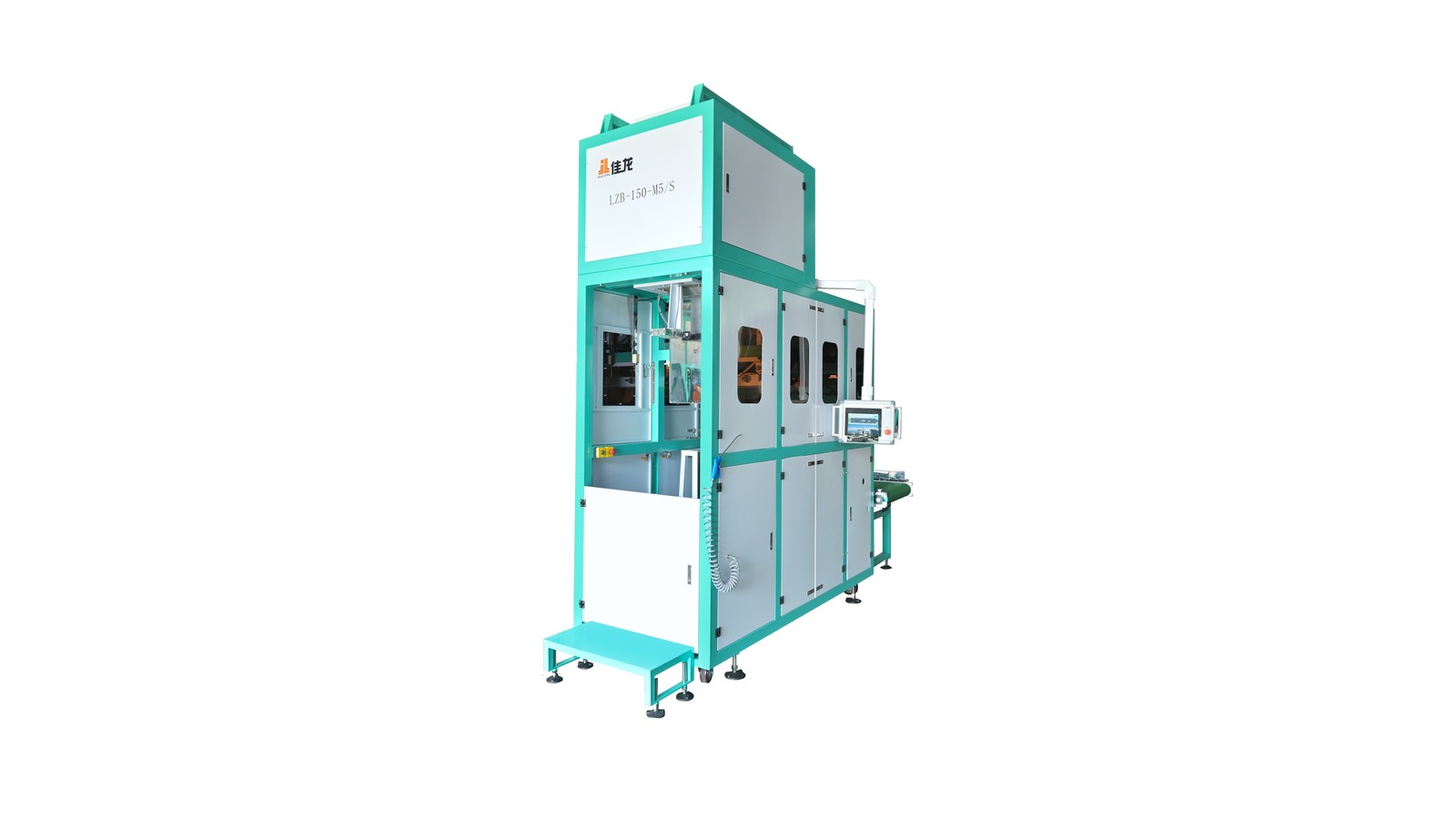
Stainless vacuum packing machine with control panel on a white background, the frame the residual oxygen figure belongs to.
What to check on the delivery
Take ten bags off the nut bagging machine at random, open them, and smell. A nut going rancid smells of paint or old oil before it tastes of anything. Then measure residual oxygen on the same ten.
Two checks, twenty minutes, and they tell you whether the automatic nut packing machine for 25 kg bags is doing what the quotation said. Most buyers do the first and skip the second, which is why the complaint arrives six months later with no data attached.
The free fatty acid number
Nut rancidity is measured as free fatty acids, and on a nut packing machine for 25 kg bags the number rises with heat, moisture and time. A nut bagging machine that adds heat adds to the number, and a hot seal adds it faster than a hot hopper. Ask the buyer what the limit is and work backwards.
A limit of 0.5 percent allows a warm bag and a short shelf life; 0.2 does not allow a warm bag at all. The limit decides the machine, and the machine does not decide the limit.
Two lines on the order
Put the residual oxygen figure and the free fatty acid limit on the order rather than in an email. A nut packing machine for 25 kg bags that reaches 0.5 percent under a hard vacuum and 2 percent under a flush is two machines at two prices, and the buyer's limit decides which one is being bought.
Zhangzhou Jialong Technology Co., Ltd. builds the automatic nut packing machine for 25 kg bags and the nut bagging machine in Zhangzhou, and quotes the vacuum ramp and the flush pressure against your kernel rather than against a catalogue. The nut and snack range sits at https://jialong-packing.com/, and export@jialong.cn or +8613806951676 will send the residual oxygen figure for your product in writing.
Ask for the number, write it down, and test the first ten bags against it on arrival. A nut packing machine that cannot be measured on delivery cannot be defended in month six.