Vacuum-Packaged Rice Failure: Leak Paths, Moisture Drift, and Seal Process Control
Vacuum-Packaged Rice Failure: Leak Paths, Moisture Drift, and Seal Process Control
Published on: June 3, 2026
A rice vacuum packing machine is usually judged by how quickly the chamber removes air. That view is too narrow. Vacuum rice packaging fails when the film, seal, rice moisture, carton handling, and storage temperature are not controlled together.
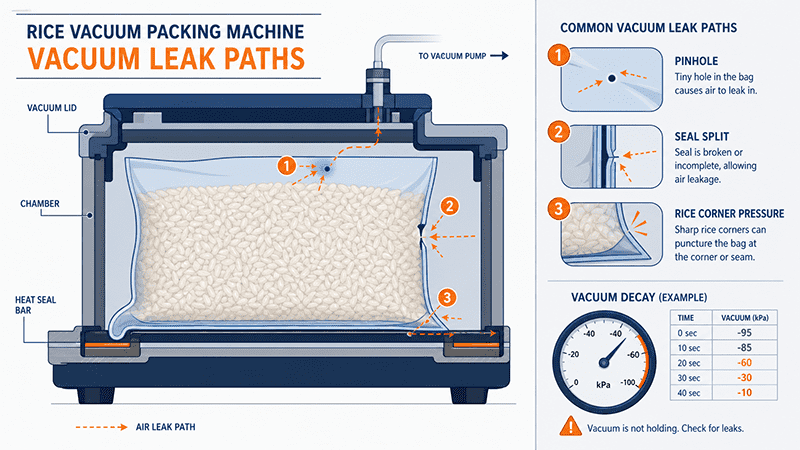
The first failure is physical leakage. A small pinhole, scratched corner, seal split, or compression mark can let air return into the bag. The second failure is internal moisture drift. If rice enters the bag with unstable moisture, temperature cycling can create condensation on the inner film and gradually damage texture.
Leakage Starts Before the Bag Looks Damaged
A rice vacuum packaging machine can produce a tight pack that later fails in transport. The package may rub against carton walls, pallet edges, or neighboring hard packs. If the film has weak puncture resistance or the seal edge is overheated and thinned, the damage path is already present before the retail shelf sees the product.
The engineering response is not just a thicker film. Nylon-polyethylene structures, seal temperature, dwell time, jaw pressure, cooling time, and carton partitions all change the final leak rate. A vacuum bag packing machine should be approved with transport simulation, not only with a clean bag coming out of the chamber.
| Failure point | Typical cause | Process check |
|---|---|---|
| Pinhole | Film abrasion or sharp rice pack corners | Drop test and carton rub test after the rice vacuum packing machine cycle |
| Seal split | Low seal strength or film wrinkles | Peel test and vacuum decay test |
| Corner leak | Over-compressed brick pack | Adjust evacuation time and bag geometry |
| Moisture condensation | High initial rice moisture or temperature cycling | Moisture meter check before sealing and warehouse temperature control |
Moisture Control Must Happen Before Vacuum Sealing
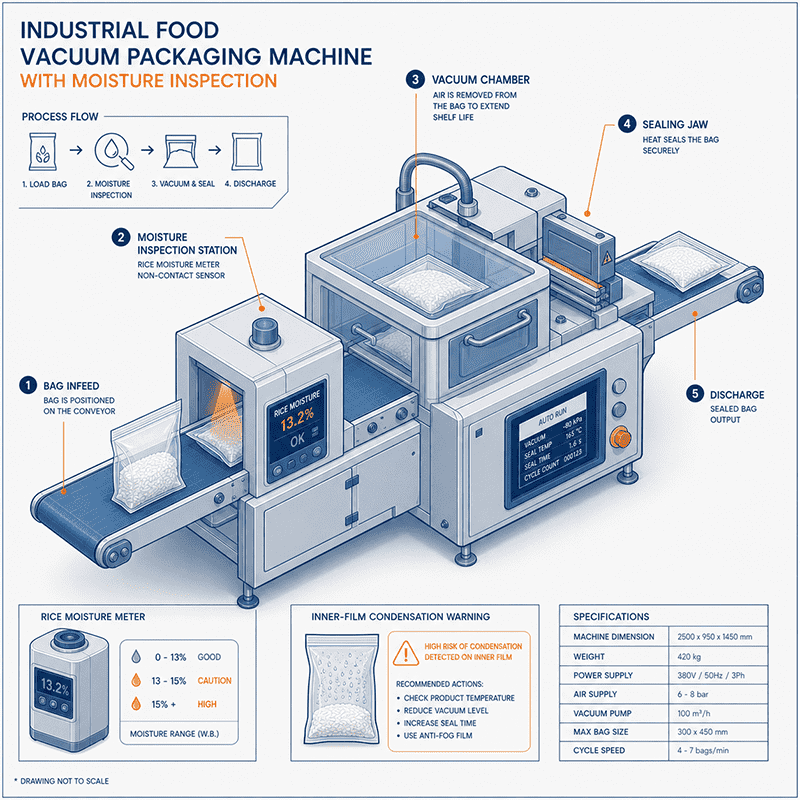
Vacuum sealing does not correct wet rice. The sealed package reduces exchange with outside air, so unstable moisture remains inside the bag. When warehouse temperature rises during the day and falls at night, vapor can condense on the inner surface of the film and repeatedly wet the grain surface.
IRRI's Rice Knowledge Bank notes that grain and seed stored above 14% moisture may face mold growth, rapid viability loss, and reduced eating quality. For packaged rice, this makes incoming moisture verification a machine acceptance issue, not only a drying-room issue. The rice vacuum packing machine should not run production until the rice moisture record is released.
A Full-Chain Protection Method
An industrial food vacuum packaging machine should be integrated with material inspection, rice moisture release, sealing verification, and logistics rules. Film suppliers should provide food-contact documentation. Operators should record seal temperature, dwell time, vacuum level, and sample vacuum decay data by batch.
Retail handling matters as well. Over-stacked cartons can press hard brick packs into each other and create corner wear. Dedicated partitions, controlled pallet height, and standard shelf display rules reduce the chance that a good package becomes a failed package after shipment.
For food-contact review, FDA states that substances used in packaging and other materials contacting food are part of the food ingredient and packaging safety framework. Buyers can review FDA's Packaging & Food Contact Substances guidance when selecting film, ink, adhesive, zipper, or valve components.
Commissioning Checklist
Run the rice vacuum packing machine with the actual rice variety, bag size, and film structure.
Measure rice moisture before sealing and hold production if the release record is missing.
Use a rice bag sealing machine peel test to confirm seal strength after temperature changes.
Check vacuum decay after carton compression and pallet handling, not only after chamber discharge.
Define carton partitions, pallet height, and retail stacking rules before shipment.
FAQ
Can vacuum packaging stop mold if the rice moisture is too high?
No. Vacuum packaging reduces oxygen exchange, but it does not remove unsafe moisture from the grain. Drying and moisture release must happen before sealing.
Why does a vacuum rice pack leak after transport?
The usual causes are film abrasion, hard corner compression, weak seal strength, or carton friction. The rice vacuum packing machine must be validated with handling tests.
Should every rice pack use the same film thickness?
No. Film structure should match package weight, brick hardness, transport route, carton design, and shelf handling.
Contact our engineering team directly:
Email: export@jialong.cn
WhatsApp: +86-136-2579-4992
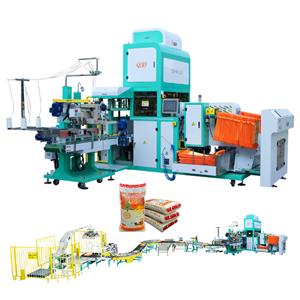
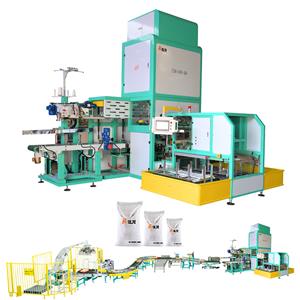
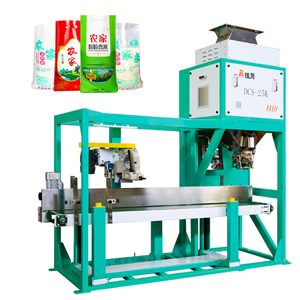
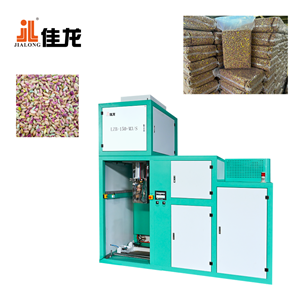
Products: rice vacuum packing machine