Vacuum-Packed Cat Litter Starts With a Testable Line Brief
Compact cat litter packs may look simple at the warehouse door, but the project starts much earlier with product data and a defined pack standard. A cat litter vacuum packaging line has to connect feeding, weighing, bag handling, air removal, shaping, sealing and discharge without treating those steps as separate purchases. The right automatic vacuum packaging machine depends on the litter, target weight and film. A brick shape vacuum packing machine also needs a pack geometry that the product can tolerate. These decisions determine how a granular material packing system should be arranged and what the vacuum packaging production line must prove during a trial.
Start with the product and finished pack
The source article points to smaller packs, reduced storage volume and better protection from outside moisture as reasons manufacturers are studying vacuum formats. Those are useful project questions, not guaranteed outcomes. Before specifying a cat litter vacuum packaging line, the buyer should identify the litter type, particle or pellet dimensions, dust level, bulk density range and sensitivity to compression. The same brief should include target bag weight, acceptable weight tolerance, filled dimensions, film structure, seal width and the way packs will be cased or palletized. An automatic vacuum packaging machine cannot be selected from the bag weight alone. Likewise, a brick shape vacuum packing machine should be evaluated with actual material because bentonite granules, plant-based pellets and mixed litter may respond differently to vibration and compression.
Define each handoff before the trial
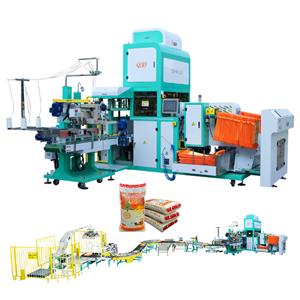
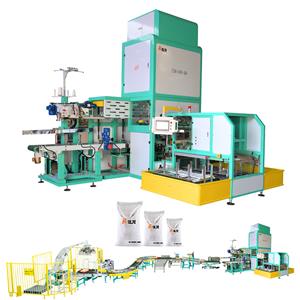
For a granular material packing system, record the upstream feed height and rate, available utilities, operator access, dust-control boundary and downstream conveyor elevation. Then map those inputs against the intended vacuum packaging production line. Jialong's automatic equipment pages describe process combinations that can include bag feeding, weighing, filling, shaping, vacuuming, heat sealing, discharge and conveying. That published sequence is a starting point for interface review; it does not establish cat litter performance. A line trial should confirm whether the automatic vacuum packaging machine receives a stable dose, whether the brick shape vacuum packing machine forms the required dimensions, and whether the cat litter vacuum packaging line releases a sealed pack without damaging the product or film.
Turn market claims into acceptance checks
Claims about space saving or longer storage should be translated into measurements that both parties agree on. For the vacuum packaging production line, buyers can define finished-pack length, width and height ranges, seal appearance, leakage-test method and the allowed recovery of pack thickness after a stated holding period. The granular material packing system trial should also record weight results and the condition of the litter after opening. Repeat these measurements across the granular material packing system when the feed or bag changes. If breakage or excess fines matter to the product, use a documented sampling method before and after packing. These checks make it possible to compare the loose input with the formed output without assuming that every compact pack performs in the same way.
The acceptance plan should cover normal operation and routine interruptions. Run the agreed bag and film through the automatic vacuum packaging machine, stop and restart the feed, inspect the seal area for trapped particles, and observe how operators clear residual material. With a brick shape vacuum packing machine, retain samples from the beginning and end of the run so that pack geometry can be compared. For the full cat litter vacuum packaging line, confirm access for cleaning and maintenance around every module, then verify that upstream and downstream signals behave as agreed. Record these interface checks for the vacuum packaging production line before sign-off. The suitable arrangement depends on product behavior, bag size, film, target shape and line configuration.
Prepare a useful engineering enquiry
Send representative litter samples, filled-bag drawings, film details, target weights, desired output shape, utility information and a layout of the available area. Jialong can then review whether a granular material packing system, an automatic vacuum packaging machine or a brick shape vacuum packing machine is the relevant starting point. Use the verified product overview and automatic vacuum equipment category when preparing the discussion. A cat litter vacuum packaging line and the wider vacuum packaging production line should only be finalized after sample testing and written acceptance criteria.