Why a Cat Litter Packing Machine Sells by Weight
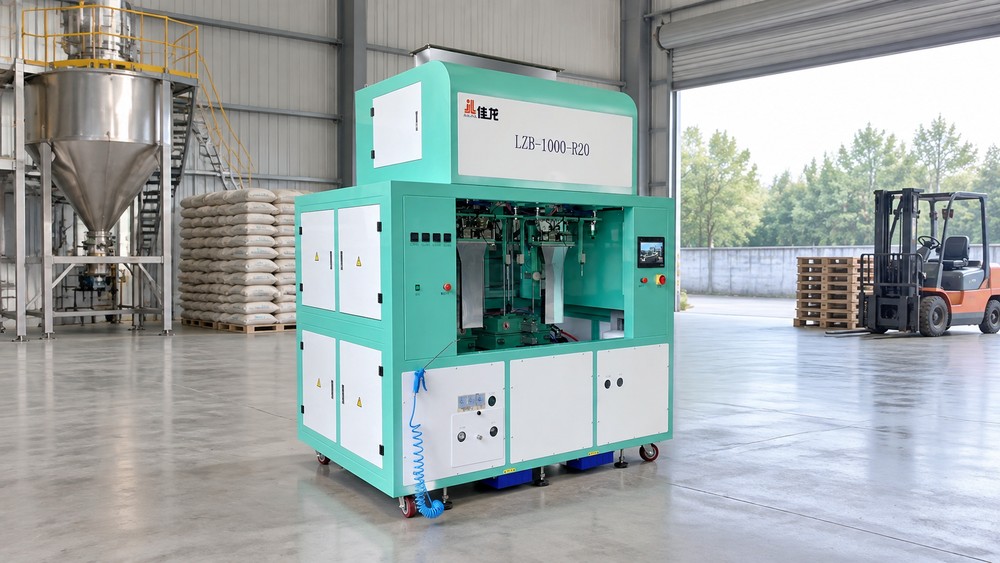
Cat litter is sold by volume and bought by weight, and that mismatch is where the margin leaves. A cat litter packing machine set to hit a weight will fill bags of different sizes from the same product, and the difference is paid at the shelf rather than at the scale.
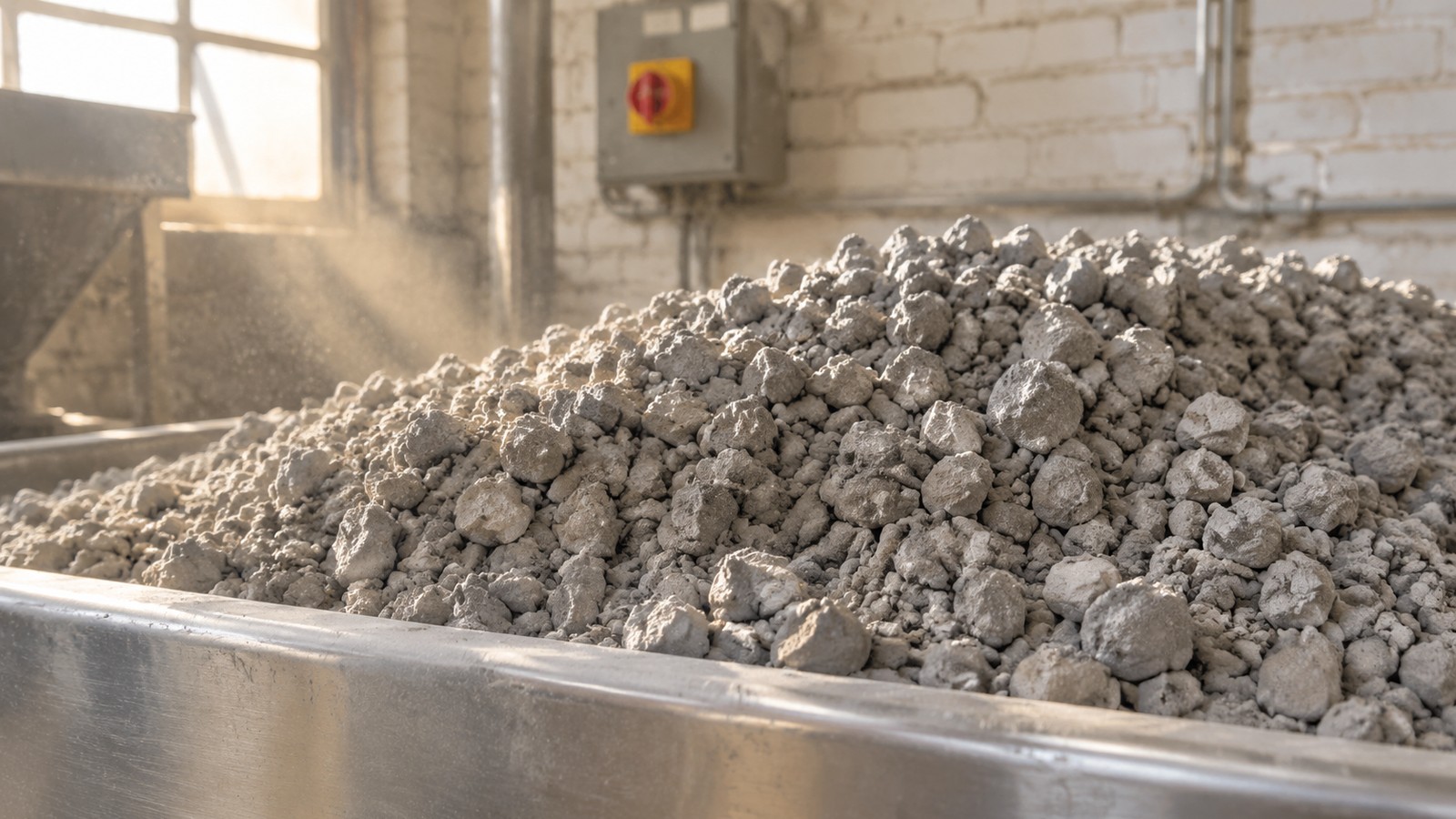
Bentonite granules heaped in a stainless steel tray, the material whose density decides what a bag of a given volume weighs.
The two numbers that matter
Bulk density in grams per litre, and settled density after the bag has been on a pallet for a week, are the two numbers a cat litter bagging machine has to be told before anything else. Bentonite at 900 grams per litre and tofu litter at 450 behave like different industries on the same cat litter packing machine. A 10 litre bag of bentonite weighs 9 kg; the same bag of tofu litter weighs 4.5 kg.
A buyer who specifies 9 kg bags of both on an automatic cat litter packing machine for 25 kg bags sells one product at a loss and one at a premium, and neither decision was deliberate. An automatic cat litter packing machine for 25 kg bags meets the same trap at four times the scale, where the error is four times the money.
Why volume should lead, not weight
Shelf space is rented by volume. A retailer compares two bags and picks the one that looks like more litter for the price, and a heavy bag that is short loses to a light bag that is tall.
Pack to a volume on the cat litter bagging machine, then state the weight. That is how the established brands do it, and a cat litter packing machine for 25 kg bags has to be set for volume control rather than weight control to do it well. A cat litter packing machine that hits its weight and misses its volume is accurate and unsellable at the same time.
How to control volume on a weight machine
Two routes. Set the target weight from a measured bulk density for each batch, and re-measure the density every time a new batch arrives. Or fit the cat litter bagging machine with a volumetric filler and a weight check, which costs more and holds volume more tightly.
The first route is what most mills use, and it works if the density measurement is honest. A batch that arrives 8 percent denser produces bags 8 percent smaller at the same target weight, and an automatic cat litter packing machine will report every one of them as correct.
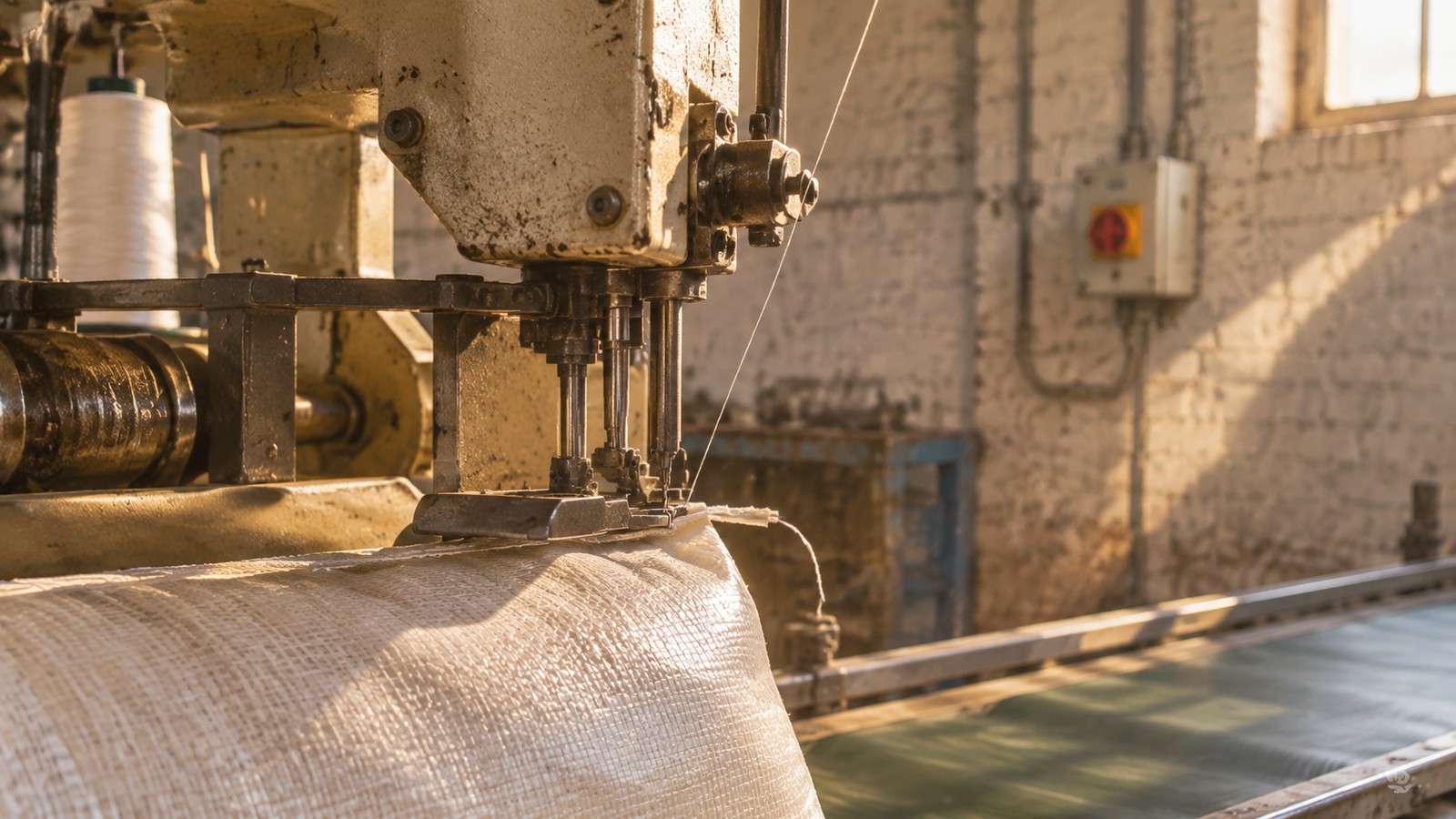
Sewing head closing a woven sack under a warm workshop window, the seam that has to hold a bag filled by volume.
The settling problem
Freshly filled litter settles 5 to 12 percent in the first week on a pallet, depending on the material. A bag that looks full on the line looks slack on the shelf, and a slack bag reads as short measure.
Reduce the effect on a cat litter bagging machine by vibrating the bag during fill and by setting the initial volume 5 percent above nominal. Both are settings rather than purchases, and a cat litter packing machine for 25 kg bags set this way ships a bag that still looks full a month later.
Dust, and why it matters to weight
Bentonite dust is fine and it escapes at the spout. Every gram that escapes is a gram not in the bag, and the loss is invisible because it collects in the air filter rather than on the floor.
Fit extraction at the spout of the cat litter bagging machine and weigh what the filter collects in one shift. A mill collecting 4 kg of dust a shift is losing 4 kg of product a shift, which is 1.2 tonnes a year on a two shift day. An automatic cat litter packing machine that is clean at the spout is also a machine that weighs what it says.
What to specify on the enquiry
Volume per bag, not only weight. The bulk density range the line must handle. The settling allowance. The extraction rating at the bag mouth rather than at the ceiling.
And the question that separates a supplier from a trader: what volume tolerance do you guarantee, as a percentage. A cat litter packing machine for 25 kg bags that holds plus or minus 3 percent by volume sells well. One that holds plus or minus 3 percent by weight can still produce bags that look wrong on a shelf.
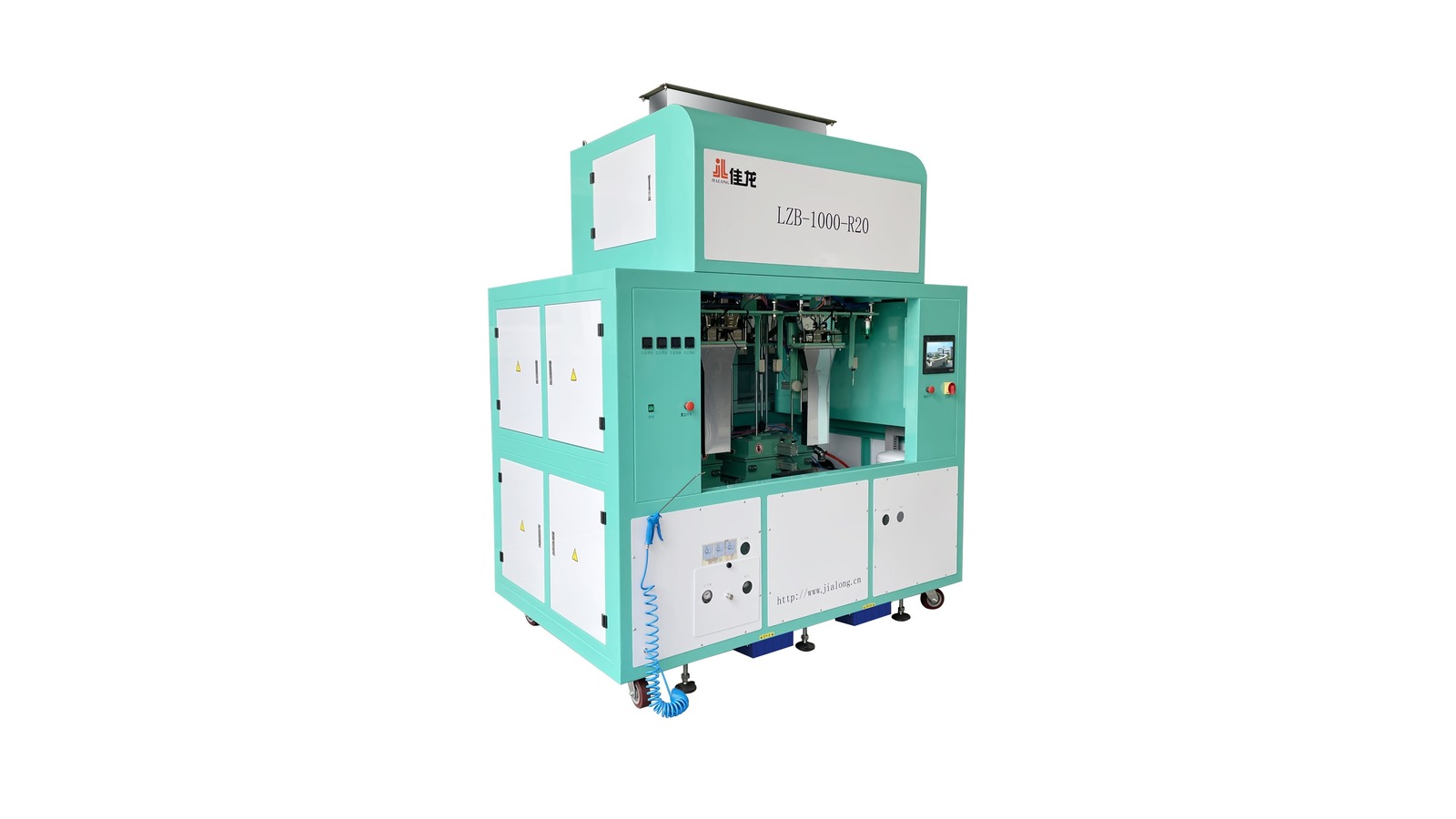
Gloved operator clamping a sack while grey granules pour from the spout, the fill a settling allowance is written for.
Weight against volume in one sentence
Set by weight, label by volume, and accept that the variation moves to the label rather than to the scale. The alternative on a cat litter bagging machine is a bag that passes the checkweigher on a dry day and fails the shelf on a humid one.
An automatic cat litter packing machine reads weight because weight is what it can measure. The buyer reads volume because volume is what the shelf shows. The gap between those two readings is the whole commercial argument for buying the right machine rather than the cheapest one.
What the density measurement costs
A litre cup, a scale and two minutes per batch beside the cat litter bagging machine. That is the entire capital cost of the volume route, and it is the step most mills skip because the bag weight on the ticket already looks correct.
Measure the density of every incoming batch for a month and write it on the batch card taped to the cat litter bagging machine. An automatic cat litter packing machine for 25 kg bags run from those cards holds its bag size through a season. Run from the ticket weight, it drifts with the clay and nobody notices until a customer measures a bag on the shelf.
The order that keeps the margin
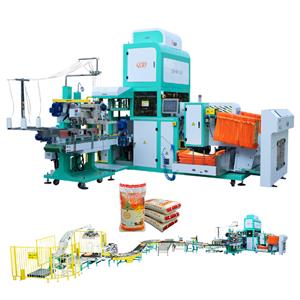
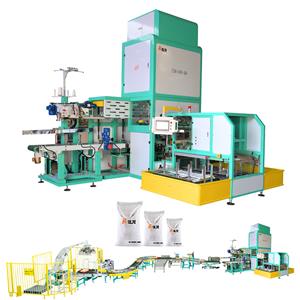
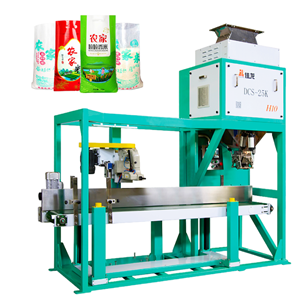
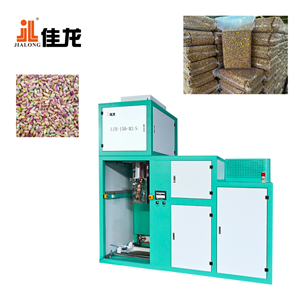
Zhangzhou Jialong Technology Co., Ltd. builds the automatic cat litter packing machine for 25 kg bags and the cat litter packing machine for volume control in Zhangzhou, and quotes the filler, the settling station and the extraction against your density range rather than against a default. The bagging range sits at https://jialong-packing.com/, and export@jialong.cn or +8613806951676 will send the volume tolerance in writing before the order.
Send the density range, the bag volume, the settling you accept and the bags per shift. Four numbers decide whether a cat litter bagging machine sells a full bag or a short one, and the density range is the one the enquiry never carries.