Why Vacuum-Packed Rice Wins: Freshness, Protection, and Cleaner Logistics
Why Vacuum-Packed Rice Wins: Freshness, Protection, and Cleaner Logistics
Published on: July 8, 2026
Vacuum packaging works well for rice because it addresses the main causes of quality loss during storage and distribution. Lower oxygen exposure helps support cleaner freshness retention, while the sealed structure reduces moisture, pest, and odor risks.
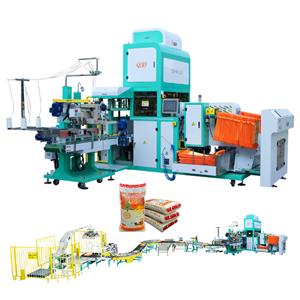
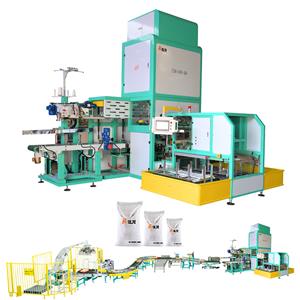
For premium rice categories, aroma and flavor stability are major reasons to use a rice vacuum packing machine. The compact pack also supports cleaner palletization and more stable shelf presentation compared with softer, loosely filled bags.
Another reason vacuum-packed rice remains popular is practical protection. Strong seals and a dense shape help reduce damage during transport, especially when products move through long warehouse and export routes.
One reason buyers stay with vacuum-packed rice is that the pack is easier to standardize across warehouse and retail conditions than many loosely filled bags. The dense shape helps with stacking, but it also makes seal quality more important because any weak point becomes visible faster once the pack enters transport circulation.
Rice quality inside the bag deserves the same attention as outer appearance. Fragrant varieties need better aroma retention, while more brittle grains may require a gentler vacuum setting to avoid unnecessary breakage. The right process is therefore product-specific, not just a fixed machine recipe used across every rice category.
Distributors also tend to look at how the pack behaves after several normal touches: carton loading, shelf replenishment, and basic customer handling. A bag that keeps a tidy shape through those steps usually creates fewer complaints about both appearance and storage confidence.
The most useful factory record is usually short and practical: rice type, target bag firmness, final film structure, seal result, and a note on stacking performance. That small amount of documentation helps the next production run start from a proven baseline instead of from assumption.
So when vacuum-packed rice performs well, it wins for ordinary commercial reasons. It protects the grain, presents neatly, and moves through storage and distribution with less avoidable variation.
Rice packs should also be checked after stacking, because the dense shape changes how pressure moves through the carton. A good pack keeps the seal stable, protects the grain, and still looks neat after ordinary warehouse handling. That is the point where vacuum packaging shows its real value.
Contact our engineering team directly:
Email: export@jialong.cn
WhatsApp: +86-136-2579-4992
Products: rice vacuum packing machine