A Rice Tray Proposal Rewrites the Packing-Line Brief
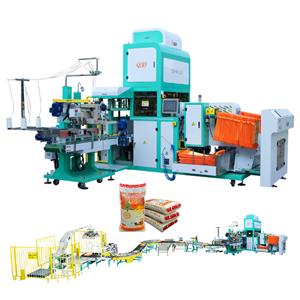
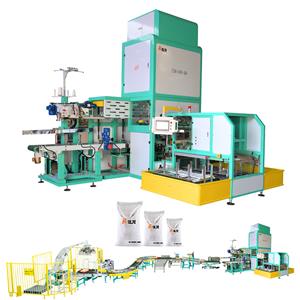
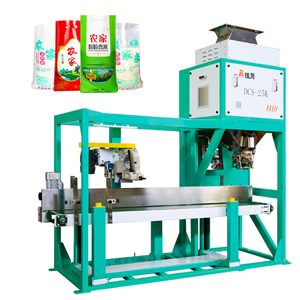
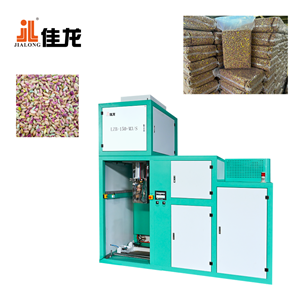
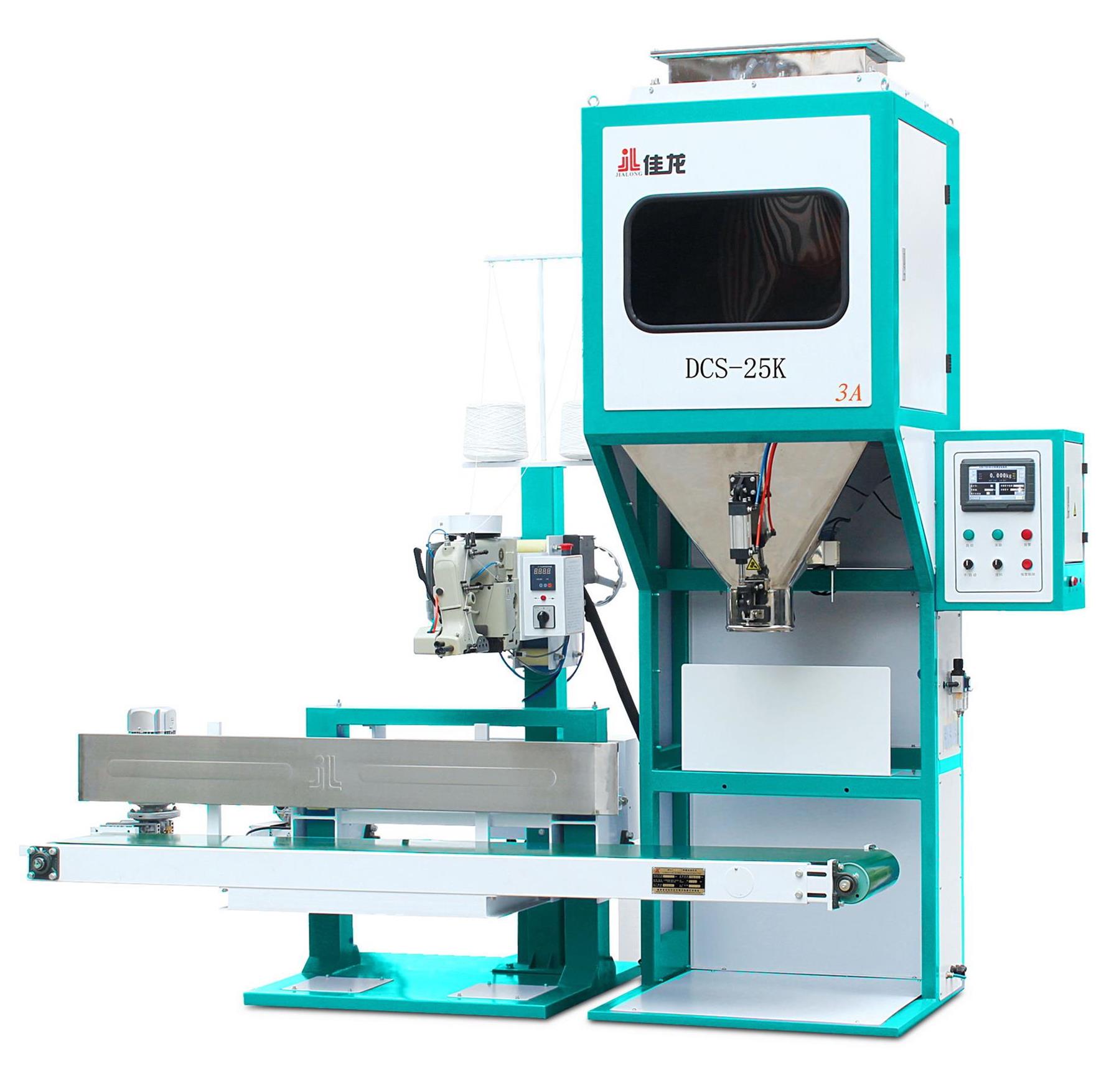
A rigid rice tray may look like a packaging-material change, yet its open cavity, sealing flange and lidding step alter the line itself. An industrial vacuum packaging machine built around flexible bags follows another route, while an automatic weighing and bagging machine hands the dose to a bag-opening and shaping process. The project brief has to name which route is under review.
The container changes the handoff: A flexible bag is presented, opened, filled and then shaped around the rice. A preformed tray arrives as a rigid input and exposes a horizontal rim that has to stay available for sealing. A fully automatic packaging machine cannot treat those paths as interchangeable merely because the portion weight is the same.
Dosing needs a physical reference: The vacuum packaging machine manufacturer needs the proposed container, target weight and allowable headspace, not only a drawing. The automatic weighing and bagging machine may deliver the same mass into two formats, but the drop height, receiving area and acceptable grain movement can differ. Those conditions influence the transfer design.
Sealing surfaces are not equivalent: A bag mouth can carry stray grains after filling; a tray has a flange around its perimeter. An industrial vacuum packaging machine manages a flexible seal area, whereas a tray concept needs its own flange-cleanliness and lid-placement study. The fully automatic packaging machine layout must leave room for the correct sealing module and its access points.
Use published capability narrowly: Jialong's rice and pulses vacuum packing line overview describes brick and flat bag forms. A rice brick vacuum packing machine uses bag feeding, weighing, filling, shaping, vacuum, heat sealing, discharge and conveying. That evidence does not establish a tray-forming or tray-lidding capability. The vacuum packaging machine manufacturer would need a separate configuration review.
Downstream space comes from real samples: Carton fit, pack orientation and support after sealing are measurable once trial packs exist. The automatic weighing and bagging machine sets up a repeatable dose, but the industrial vacuum packaging machine determines the flexible pack geometry after air removal. A rigid tray introduces another footprint and stacking pattern that has to be checked against the actual carton.
Material claims remain outside the machine trial: Barrier performance, recycled content, recyclability and shelf life depend on the selected structure, seal and storage conditions. A verified brick rice product page supports the existence of the rice brick vacuum packing machine workflow, not a claim that every film or tray preserves rice for a stated period. The fully automatic packaging machine can produce samples for the relevant tests.
The line brief should expose missing inputs: The vacuum packaging machine manufacturer can review a reference pack, rice sample, container specification, target output direction and available floor plan. The automatic weighing and bagging machine also needs the intended weight range and product condition. With those inputs, the interface discussion moves from a packaging trend to identifiable equipment stages.
Acceptance follows the chosen route: An industrial vacuum packaging machine trial can record dose, bag shape, seal appearance and discharge handling. A fully automatic packaging machine assessment for another container would need its own forming or tray-supply, lidding and transfer evidence. The rice brick vacuum packing machine remains a bag-format reference; it is not proof that a tray proposal fits the same layout.