Rice and Pulses Vacuum Packing Line: Brick Packs, Flat Packs and Process Control
A rice or pulses vacuum packing line has two jobs: seal the package and control the shape of the product inside it. Air removal is only one part of that process. Bag presentation, dose consistency, product settling, mold or shaping conditions, seal cleanliness and discharge handling determine whether the pack remains stable after leaving the machine.
Set the pack format early
A defined brick shape can support shelf presentation, carton loading or stacking, but it puts more emphasis on mold dimensions, filling distribution and controlled shaping. Flat vacuum packs suit different display or secondary-packing methods and may need less rigid geometry. Neither format is inherently better; the retail pack, carton and logistics specification decide the choice.
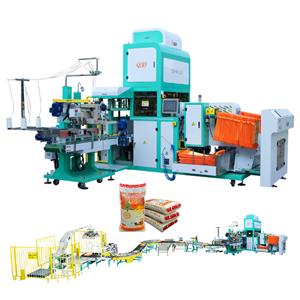
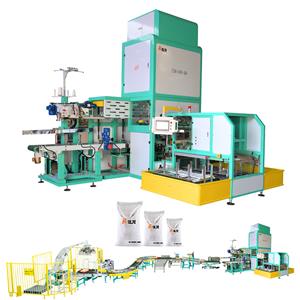
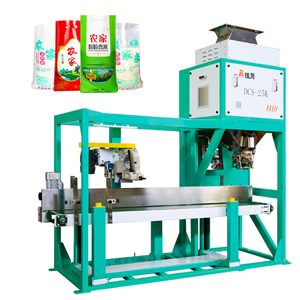
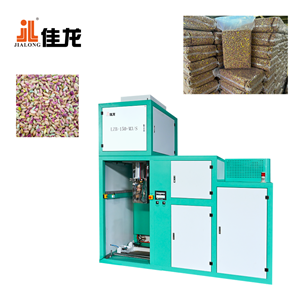
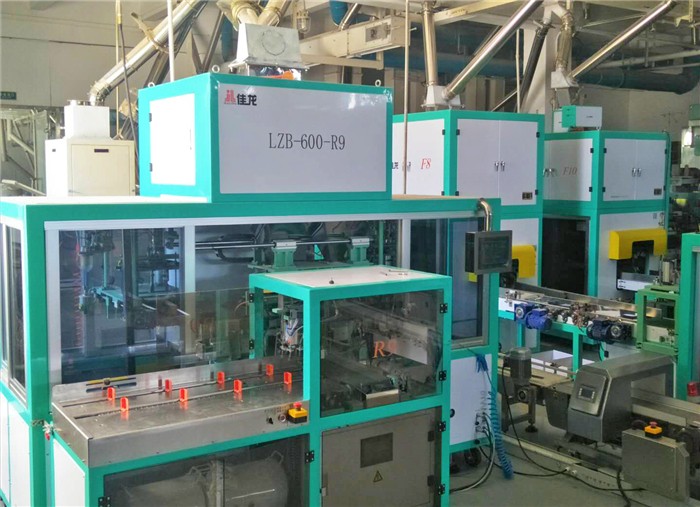
Jialong's verified rice and pulses vacuum packaging machine is presented for both brick and flat forms. Its published workflow includes automatic bag feeding, weighing, filling, shaping, vacuum extraction, heat sealing, discharge and conveying. Those stages provide the framework for a project review. Each interface still needs testing with the intended product and bag.
Where process variation enters the line
Rice and pulses do not settle in the same way. Grain length, surface condition, broken product, size distribution and bulk density affect how a measured dose fills the bag. A bag that appears full with one product may leave excessive free space with another. Product-specific settings are therefore essential; a universal vacuum recipe will not cover the variation. The same applies to brick vacuum packaging and a flat vacuum pack.
Bag construction carries equal weight. Film structure, thickness, sealant layer, width, gusset dimensions and surface friction affect opening, loading and heat sealing. Dimensions may look correct on paper while the bag still sits poorly in the shaping station. Use samples from the intended supplier and test them under the expected temperature and handling conditions.
Vacuum level is only part of the setting.
Product behavior, bag construction, target shape, seal method and the acceptance test all influence the required setting. Excessive extraction can stress the pack or product, while insufficient extraction leaves an unstable shape. Establish the working window during the machine trial.
Control points from filling to discharge
Dose and headspace: consistent weight and fill position give the shaping station a repeatable pack.
Product settling: uneven distribution can produce a tilted brick or local stress points in a flat pack.
Bag-mouth cleanliness: stray grains or dust in the seal area can interfere with the heat-seal interface.
Vacuum and sealing sequence: develop the timing with production film rather than a generic test pouch.
Release and conveying: support the fresh package according to its shape while the seal cools and the product settles.
The automatic brick rice vacuum packing machine follows the core process above. For a brick application, include a drawing or physical reference pack with the inquiry. A description such as “one-kilogram brick” does not define length, width, height, corner shape or carton fit.
When this configuration is not suitable
A rigid brick is a poor default for unusually fragile product, bags that cannot tolerate concentrated pressure, or cartons that gain nothing from a fixed block. A standard vacuum process may also be unsuitable where the quality or safety plan calls for a different atmosphere. These applications need product-specific assessment, not simply a stronger vacuum setting.
A vacuum sealing machine does not replace moisture control, incoming-product inspection or correct storage. Packaging limits exposure after sealing; it cannot recover rice or pulses that enter the line outside the buyer's accepted condition. Set the incoming-material limits in the production specification before the packaging test begins.
Factory trial and acceptance
Bring enough representative product and final bags for more than a few demonstration cycles. Include the smallest and largest intended packs, products with noticeably different bulk density, and bags from normal production. If several molds or formats are involved, observe a changeover during the trial.
Agree how package weight, seal appearance, leakage and dimensions will be checked.
Inspect corners, folds and the seal area immediately after discharge and again after the agreed conditioning period.
Pack sample cartons to confirm that the brick or flat vacuum pack fits the real secondary packaging.
Review vacuum pump access, sealing-part replacement, cleaning points and product-removal procedures.
Record the settings for each accepted product, bag and weight combination.
Set the acceptance-run duration, sampling frequency and permitted defects in advance. Throughput varies with product, bag size, film, package shape and vacuum packing line configuration, so catalog speed alone leaves the key operating conditions undefined. The trial also needs to show that the vacuum sealing machine can repeat the accepted package after a normal stop and restart.
The wider vacuum packing machine range offers useful context before samples are submitted. A complete inquiry package includes product data, bag drawings, target weights, reference finished packs, carton dimensions, available utilities and the expected route after the vacuum packing line.
Machine selection follows the finished-pack specification.
Send the rice or pulses sample, final bag, target pack drawing and required automation level to export@jialong.cn for a configuration discussion based on verified application inputs.