Fracture Mechanics in Grains: Gradient Decompression and Cloud Traceability
Fracture Mechanics in Grains: Gradient Decompression Engineering
Published on: April 15, 2026 | By Jialong Physical Engineering
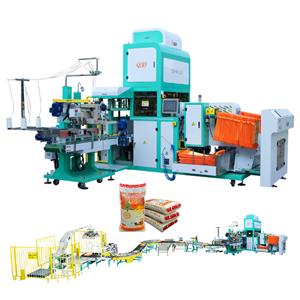
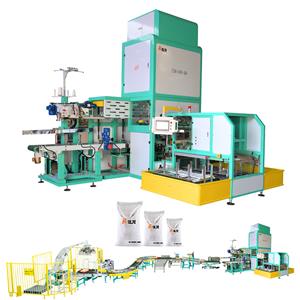
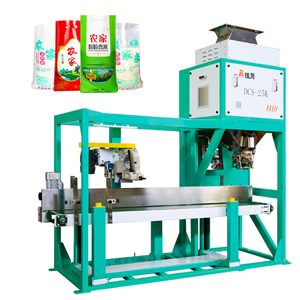
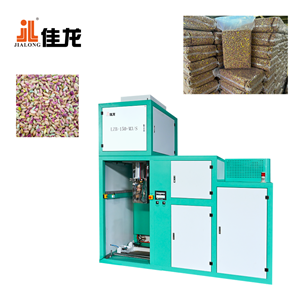
Extracting oxygen from a bag of rice is a violent physical event. If you apply a sudden, massive negative pressure to delicate varieties like Jasmine or Basmati, the internal crystalline structure of the endosperm fails. Micro-fissures develop across the grain body. This internal structural failure directly compromises the final cooking profile. Broken grains release excessive amounts of amylopectin starch into the boiling water, resulting in a sticky, degraded paste. To properly prevent grain breakage, operators must transition from static extraction to dynamic atmospheric management. This demands an advanced rice vacuum packaging machine engineered with precision vacuum pressure control parameters tailored to specific crop hardness metrics.
Basic pneumatics pull a single, aggressive vacuum spike. A professional rice vacuum packaging machine avoids this shock by deploying gradient decompression technology. The system drops the pressure in staged algorithmic increments. The ambient air within the inter-grain void spaces evacuates smoothly, allowing the physical load to distribute evenly across the entire rice mass without localized crushing. This mechanical pacing is the only scientifically validated method to prevent grain breakage during heavy-duty industrial processing.
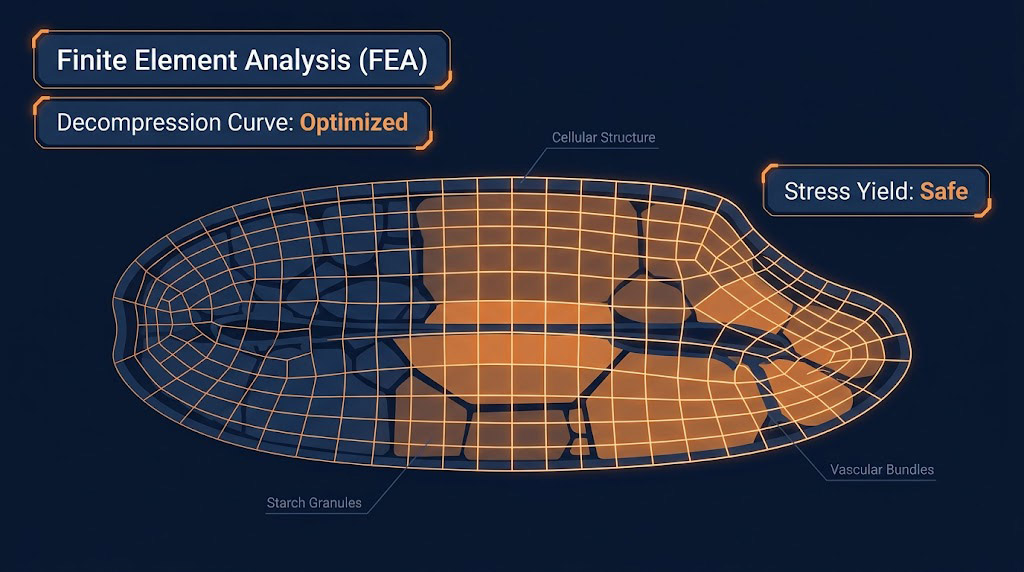
Figure 1: Finite element analysis demonstrating how gradient decompression technology mitigates mechanical stress across the endosperm.
Thermal Transfer and Digital Identity
Physical preservation solves the immediate chemical threat. However, outdated data tracking leaves operations legally vulnerable. Traditional continuous inkjet (CIJ) printing applies static, unalterable lot codes to the packaging film. If a quality anomaly occurs downstream, isolating the exact batch becomes a logistical nightmare. To modernize QA workflows, operators must integrate digital thermal transfer overprinting (TTO) directly into their vacuum pressure control hardware.
A state-of-the-art smart traceability platform requires unique digital identifiers. The TTO printhead dynamically assigns an encrypted, variable QR code to every single pouch exactly milliseconds before the rice vacuum packaging machine executes its thermal seal. This unique identity links instantly to the cloud. Factory managers can monitor sealing temperatures, vacuum pressure control metrics, and ambient humidity for every specific bag.
This flawless data handshake ensures that any recall process is isolated to a microscopic batch window rather than an entire production week. When you combine gradient decompression technology with a real-time smart traceability platform, you achieve absolute mechanical and digital supremacy on the factory floor.
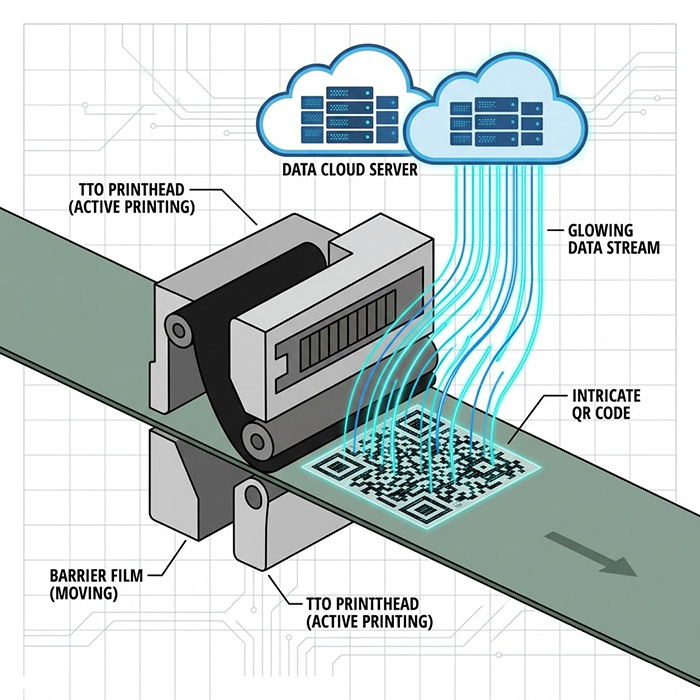
Technical Note: Seamless integration of TTO systems guarantees that the smart traceability platform updates instantaneously without interrupting the high-speed gradient decompression technology cycle. The goal is zero data lag.