Polymer Migration and Pneumatic Calibration in Rice Packaging
Polymer Migration and Pneumatic Calibration in Grain Processing
Published on: April 17, 2026 | By Jialong Material Engineering
The continuous application of extreme negative pressure against standard synthetic polymers creates an unintended chemical vector. When grains are compressed tightly against low-density polyethylene (LDPE) inner layers for months, the physical friction combined with warehouse heat accelerates the release of unreacted monomers. This microscopic chemical bleed directly contaminates the food source. To definitively prevent substance migration, material engineers must completely replace fossil-based contact layers. Advanced facilities are adopting sustainable packaging technology, transitioning entirely to plant-based cellulose matrices. Processing these advanced materials requires a specialized rice vacuum packaging machine engineered to fuse eco-friendly substrates without inducing thermal degradation.
A true biodegradable composite film utilizes a nanoscopic polylactic acid (PLA) coating to achieve its oxygen transmission barrier. Unlike standard plastics, this organic matrix is incredibly sensitive to pneumatic stress. A heavy-duty rice vacuum packaging machine integrates absolute thermal control to bond the biodegradable composite film flawlessly, ensuring that the structural integrity remains intact. This execution of sustainable packaging technology is the only scientifically validated method to permanently prevent substance migration at the molecular level.
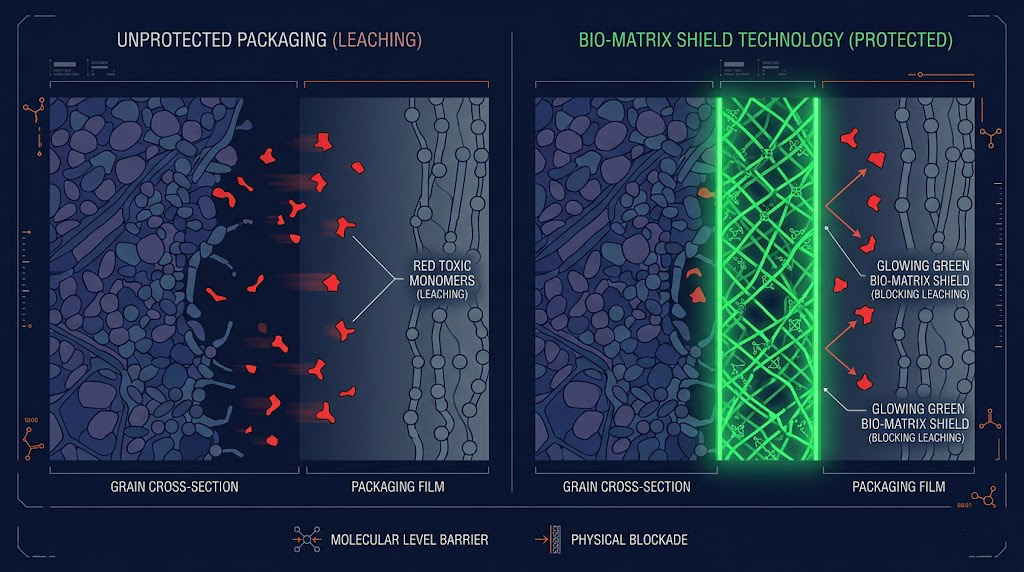
Figure 1: Micro-level cross-section demonstrating how plant-based organic barriers physically block monomer transfer.
The Physics of Excessive Extraction
Beyond chemical stability, the industry suffers from a severe pneumatic misconception. Operators routinely program their equipment to pull maximum vacuum (-99 kPa) regardless of the specific grain profile. This brute-force approach stretches the biodegradable composite film beyond its tensile limits, causing micro-perforations at the sharp edges of the grains. The package ultimately leaks, destroying the barrier. To counteract this mechanical failure, engineers must implement strict vacuum grading standards.
Different varieties demand distinct extraction curves. Brown rice requires a different kPa threshold than polished short-grain varieties. By utilizing a programmable rice vacuum packaging machine, operators assign specific vacuum grading standards directly into the logic controller. The system extracts just enough ambient atmosphere to halt oxidation without over-stressing the material. This precision application of sustainable packaging technology ensures the physical bag survives transit logistics while continuing to prevent substance migration.
| Operational Metric | Legacy Plastic Processing | Calibrated Extraction Matrix |
|---|---|---|
| Pneumatic Control | Static Maximum (-99 kPa) | Variable vacuum grading standards |
| Material Interface | Standard LDPE Laminate | biodegradable composite film |
| Chemical Defense | High Leaching Risk | Absolute capability to prevent substance migration |
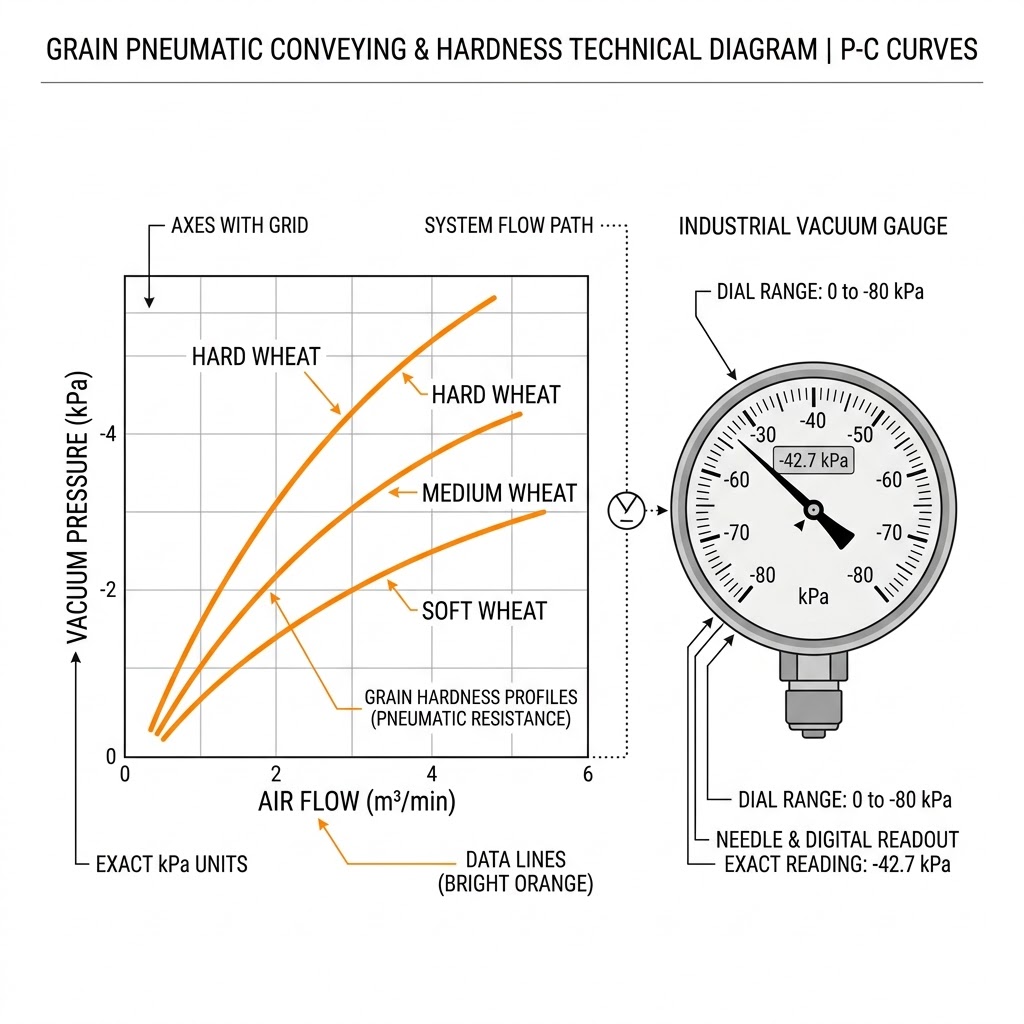
Hardware Architecture: Implementing dynamic vacuum grading standards requires a high-resolution pneumatic transducer. This hardware upgrade is essential for any modern rice vacuum packaging machine running advanced plant-based materials.