-
0402-2026
The Geometry of Freshness: Engineering the Perfect Rice Vacuum Brick
Rice is a living organism. Even after milling, it respires, oxidizes, and invites pests. Traditional loose bagging is a failure of engineering. This technical report analyzes the transition to vacuum brick packaging. We explore the physics of "Mold Constraint" technology in the Jialong rice vacuum packing machine, the biological necessity of oxidation inhibition,
-
2402-2023
Good news! Jialong won the title of single champion product
Good news | Jialong won the title of single champion product in the manufacturing industry of Fujian Province
-
2008-2022
New Jialong rice vacuum packing machine released!
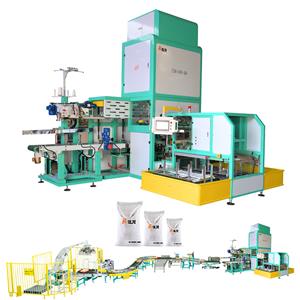
Jialong release new fully-auto weighing & vacuum Packing Machine PZB-1200-F40!
-
2512-2021
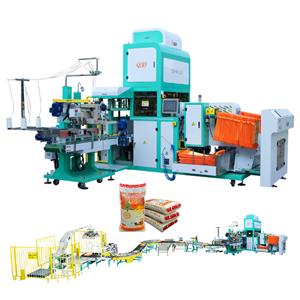
Rice brick shape vaccum packing machine and robotic palletizing line delivered for Thailand
On Dec.24, Jialong's production team has finished the production of fully-auto vacuum packing machine , carton loading machine and robotic palletizing line . All the goods are loaded into 7 containers. This packing line will be the most advanced one in the rice packing industry in Thailand
-
1507-2026
Future Trends in Vacuum-Packed Rice: Smarter Materials, Resealability, and Traceability
The future of vacuum-packed rice is moving toward smarter materials, clearer traceability, easier resealing, and more practical sustainability. This article explains what buyers should watch as rice packaging continues to evolve.
-
0807-2026
Why Vacuum-Packed Rice Wins: Freshness, Protection, and Cleaner Logistics
Vacuum-packed rice remains popular because it protects aroma, blocks moisture and pests, extends usable storage time, and creates cleaner logistics. This article explains why a rice vacuum packing machine is often preferred for premium and export rice.
-
0307-2026
Vacuum-Packed Rice: Shelf Life, Aroma Protection, and Storage Efficiency
Vacuum-packed rice protects aroma, reduces oxygen-driven quality loss, and supports cleaner storage. This article explains four practical advantages buyers should review when choosing a rice vacuum packing machine.
-
1206-2026
Vacuum-Packed Rice Trends: Aroma Protection, MAP Control, and Smarter Retail Packs
Vacuum-packed rice is moving from simple oxygen removal toward controlled package design. Premium rice needs aroma protection, stable grain texture, easier handling, food-contact material review, and traceability that survives the final pack shape. This technical note explains how vacuum recipes, nitrogen flushing, zipper-ready bags, recyclable material claims, and QR-based packaging data should be tested before a rice vacuum packing machine is approved for production.
-
0306-2026
Vacuum-Packaged Rice Failure: Leak Paths, Moisture Drift, and Seal Process Control
Vacuum-packed rice fails when the package loses its barrier or traps unstable moisture inside the bag. Pinholes, seal splits, carton compression, and temperature cycling can destroy the vacuum effect even when the machine appears to run normally. This technical note explains how composite film choice, sealing jaw control, vacuum decay testing, rice moisture verification, and warehouse temperature discipline should be treated as one engineering process.