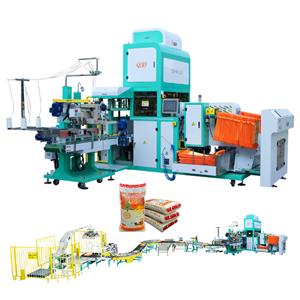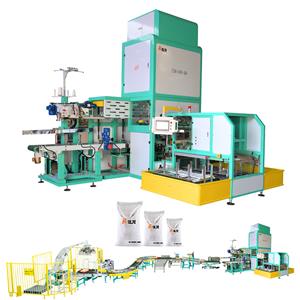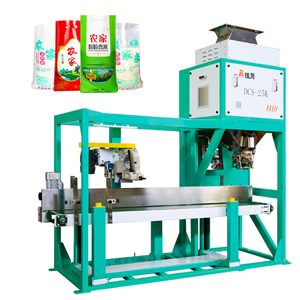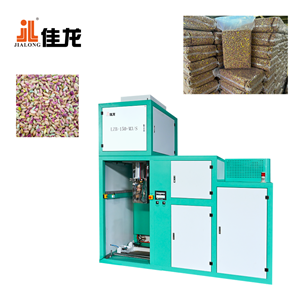
Integrating Flow Weighing and Rice Blending Before the Packing Line
A rice blending system operates upstream of the packing machine, but the finished bag is where its performance becomes visible. When ingredient flow changes faster than the blender or downstream buffer can absorb, the packaging line receives an inconsistent product stream. One material balance and one control plan should therefore cover the full route from source bins through flow weighing, blending and buffering to final packing.
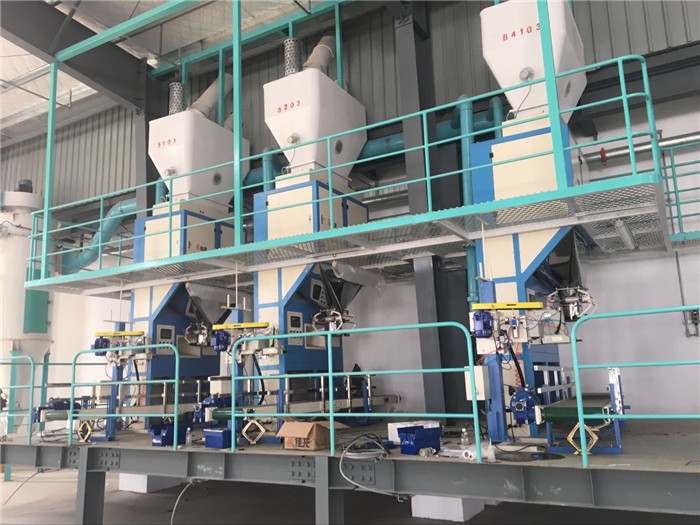
Separate inventory measurement from recipe control
Jialong's verified rice and grain flow weigher is described for cumulative flow weighing and includes a sealed structure, RS232/485 communication and an optional printer. These features make it relevant to material movement and recordkeeping. Blending also calls for controlled ingredient ratios, so the project brief needs to distinguish inventory measurements from recipe-driving values and identify which system owns the batch record.
The fortified rice blending machine page lists multiple chambers, automatic flow correction, one-button clearing, communication, channel alarms and quantitative output. These functions support the blending architecture, but the buyer's recipe limits and quality method remain project inputs. The process owner has to define ingredient count, expected ratio range and allowed variation.
Material behavior changes the configuration
Base rice, fortified kernels and other grain components may differ in size, density, surface condition and flow. Low-ratio ingredients can be harder to distribute consistently than ingredients used in similar amounts. Segregation may also occur after the rice mixing machine when blended material drops through a long chute, enters a poorly shaped buffer or moves through conveying equipment that separates particle sizes. The rice blending system layout needs to limit those opportunities.
Longer mixing time alone will not solve the issue. Review the flow path, drop heights, buffer geometry, residence time and packing-line demand as one system. When the downstream packing machine stops, the control system needs a defined response: pause ingredient feeding, hold blended material or divert it. Agree that stop logic before control programming begins.
Assign ownership for every signal.
RS232/485 availability opens the discussion on communication, but it does not define the final protocol, register map, data historian or responsibility for line control. Record those decisions in a project interface document.
Questions to settle during line design
How many ingredients enter the grain blending line, and what are their normal and extreme ratio ranges?
Is operation continuous, batch based or scheduled around packaging orders?
What happens to each feed channel when one ingredient runs low or an alarm occurs?
How much blended product can be buffered without losing traceability or encouraging segregation?
Which records must be printed, exported or transferred to the plant system?
How will the rice blending system be emptied and verified before a recipe change?
One-button clearing supports product removal, but “clear” needs an application-specific definition. A commercial change between similar rice grades may use a different procedure from a fortified product under strict formulation control. The operating plan should cover inspection access and how retained grains are handled.
Trial inputs and acceptance
A meaningful trial uses every intended component in representative condition. Its test brief needs the target recipe, sampling points, laboratory or plant test method, required records and downstream packaging demand. If ingredient supply is expected to fluctuate, include controlled variation rather than running only a steady demonstration.
Check channel identification, recipe entry, permissions and alarm messages.
Observe start-up, steady operation, a downstream stop and controlled restart.
Collect samples at the agreed locations and times using the buyer's approved analysis method.
Review cumulative records and any required communication or printing function.
Run the agreed clearing procedure and inspect accessible retention points.
Ingredient characteristics, recipe, equipment arrangement and rice blending system configuration all affect output, ratio control and mixing results. Demonstrate them under agreed conditions. The flow scale range is a useful reference, but the final rice blending system and flow weigher need to follow the complete process diagram and the buyer's acceptance method.
A useful configuration brief goes beyond the output figure.
Provide ingredient data, ratio ranges, process flow, downstream packing demand, cleaning method and control-interface requirements to export@jialong.cn or call +86-13625794992.