Open-Mouth Flour Packing Line: Feeding, Dust Control and Bag Closing
Powder behavior, not bag weight alone, sets the design basis for an open-mouth flour packing line. Two flours at the same target weight may fill very differently because of variations in bulk density, aeration, moisture condition and bridging tendency. Those properties affect auger feeding, weighing stability, dust release, bag support and how long the package needs to settle before closing.
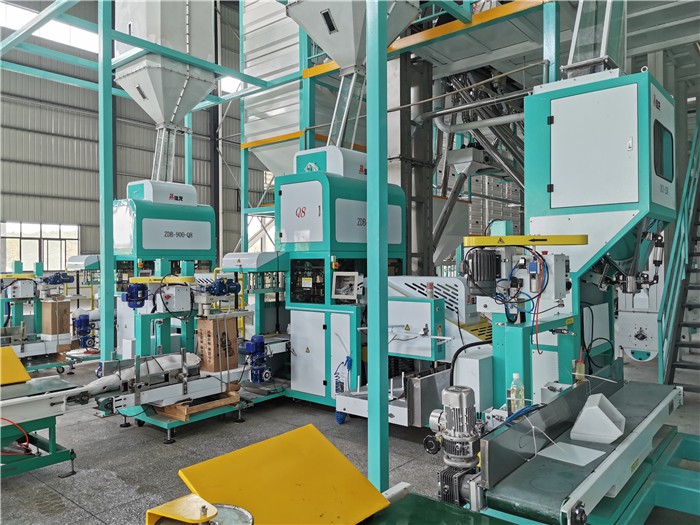
Characterize the powder before choosing the feeder
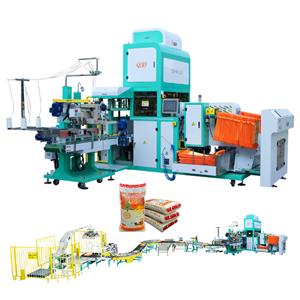
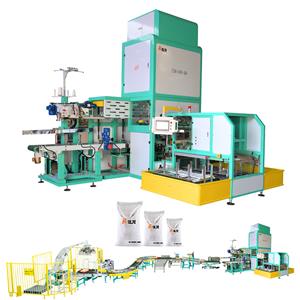
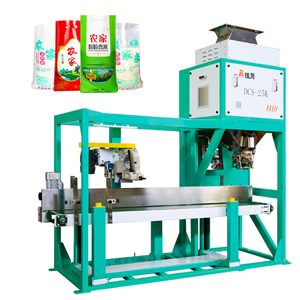
Jialong's verified wheat flour bagging system uses auger feeding and combines powder weighing, packing, bag closing or sewing and conveying. An auger meters powder positively, yet its settings are governed by how the material compacts and refills around the screw. Small product samples rarely reveal bridging, aeration or dust behavior.
Trial material needs to come from normal production and represent the expected variation. Useful inputs include available bulk-density data, moisture limits, particle-size information, cleaning requirements and any known tendency to cake. Evaluate the auger feeding machine across that range. Where the powder presents a combustible-dust hazard, qualified parties must establish the applicable plant assessment and local safety requirements before the flour packing line is configured.
Build the process around containment
Controlled product supply to the auger feeding machine is the first requirement. At weighing and filling, the bag connection has to limit visible powder escape without making bag placement awkward. The filled bag then needs support while entrained air settles. Close too early and powder may remain in the bag mouth; wait without support and the bag can lean or spill.
Feed consistency: avoid starvation and uncontrolled changes in product head above the auger.
Bag connection: match the filling spout and clamp to the actual bag mouth and liner.
Dust interface: define where displaced air and collected dust go; a connection alone does not guarantee containment.
Bag support: align the platform or conveyor with the filling height and settling behavior.
Closing: maintain a sewing or sealing zone clean enough for the specified bag closure.
The verified open-mouth flour packing machine describes an auger feed, sewing-head adjustment and conveyor guidance. Final closure still follows the bag construction. Woven bags, paper bags and lined bags can call for different mouth preparation, folding or thread specifications.
Dust control is a plant interface.
The powder bagging machine can include a filling and collection connection. Duct sizing, airflow, filtration, discharge and the site's safety design remain part of the factory system and need a defined interface.
Cleaning and changeover
Review cleaning access while the line is still on the drawing board. Identify which parts open or can be removed, where residual flour collects, how the auger and hopper are emptied, and how rejected bags leave the area. For allergens or products of different colors, define both the required cleaning outcome and the verification method.
A changeover trial needs to cover recipe selection, emptying, cleaning, new bag setup and the first acceptable package after restart. That tells the buyer more than a changeover time quoted without a defined work scope. A flour packing line for one product and one bag can be simpler than a line changing products several times per shift.
What the acceptance run needs to show
Run representative powder long enough to observe refill, bridging, aeration and dust accumulation.
Check weight with an agreed reference method and sampling plan.
Inspect the bag mouth before closing and the finished seam or seal afterward.
Confirm that normal cleaning points are accessible without unsafe reaching or uncontrolled product release.
Test alarms, stop-and-restart behavior and removal of powder remaining in the system.
Powder characteristics, target weight, bag construction, feed stability and flour packing line configuration all affect output and weighing performance. Name those conditions in the test protocol. When comparing the powder bagging machine range, send material data, production bags, layout, utilities, closure requirements and cleaning expectations before requesting a final configuration. Test the selected powder bagging machine within the actual filling and sewing route.
The powder data and plant interfaces belong in the same review.
Send representative flour, bag specifications, target weights, dust-collection information and the proposed layout to export@jialong.cn or call +86-13625794992.