Where Cost Pressure Actually Lands on a Packing Equipment Project
Buyers assume price competition stays with the seller. When margins shrink across an equipment market, the pressure migrates into the machines themselves, into places a quotation cannot show, and the buyer inherits the consequences two years later. Knowing where to look keeps an industrial vacuum packaging project honest.
The pump and its nameplate: A vacuum pump is the heart of what a vacuum packaging machine manufacturer sells, and the easiest place to save quietly. Two pumps with the same stated capacity can differ enormously in seals, vanes and service life. Insist on brand and exact model in the contract. Not "equivalent." Not "high-quality imported type." Then check whether spares for that pump actually exist in your region. A cheap pump with no local service is the most expensive kind.
Panel, wiring and documentation: Cost cutting hides well inside control cabinets. Wiring diagrams that never materialize. None of this fails during the demo; all of it fails in year three, when a relay dies at peak season and no drawing exists. Any vacuum packaging machine manufacturer should hand over electrical documentation as a contractual deliverable, not on request. Inspect a sample cabinet before shipment. Film choice matters as much as pump performance; a thin monolayer can leak back everything the pump removed.
Service terms as a price component: Two quotes ten percent apart can invert once commissioning, training and first-year support are priced in. Clarify who pays travel for service calls on an integrated packaging line, what response time is committed, whether remote diagnostics are included. A vacuum packaging machinery supplier confident in its build states these plainly. Vague service language is itself information.
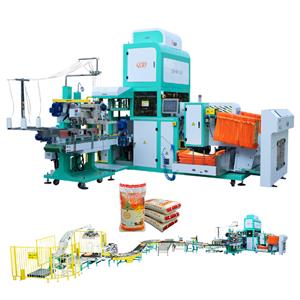
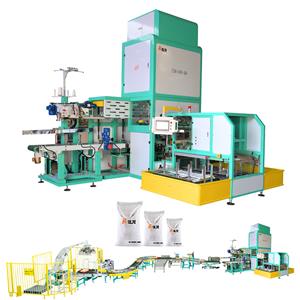
Paying for what lasts: Competition keeps builders honest. The point is not to refuse it but to spend where wear and failure concentrate: pump, panel, sealing hardware, service. A vacuum packaging machine manufacturer that publishes its component brands and service commitments, as Zhangzhou Jialong Technology Co., Ltd. does at https://jialongpacking.com/, is already ahead of one that keeps them vague. An integrated packaging line vendor should be able to show how the equipment moves from one product to the next, not only how it runs a rehearsed cycle. Training that covers the industrial vacuum packaging pump, sealer and film as one system produces fewer unexplained rejects than training each in isolation. Lockout procedures at the automatic vacuum packer station should be posted where the operator can read them without opening a binder. Film width, bag weight and product density set the vacuum packaging machinery cycle more than any brochure setting does.
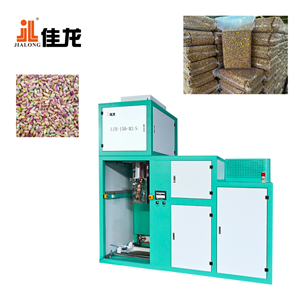
A granular product plant that moved from open sacks to industrial vacuum packaging usually notices two changes first: fewer caked bags in storage and fewer complaints about spoiled stock. Both are worth documenting before you sign an equipment contract.
A granular product quotation should separate vacuum packaging machinery performance from film assumptions. Ask the builder to state the evacuation curve on your laminate, then hold that curve as the acceptance standard.
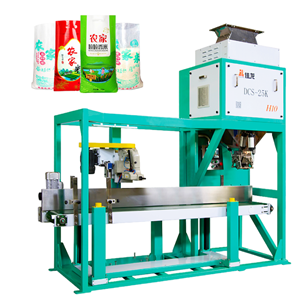
An automatic vacuum packer handles the granular product routine well, but it still needs a person who knows which alarm can wait and which one stops the line. Write that distinction on the panel instead of leaving it to memory.
When a granular product run finishes, the last ten bags from the automatic vacuum packer tell you more about stability than any short demonstration. The bags nearest the stop usually reveal changeover problems that a mid-shift sample hides.
An integrated packaging line for granular product removes the manual handoffs that create dust and uneven fills. Map the path from hopper to sealed bag before adding any new station, so the vacuum stage is not asked to rescue a bad upstream fill.
An industrial vacuum packaging project is not won by the lowest number on a quote. Compare pump duty, panel build and sealing hardware against the cost of a stalled season, and the automatic vacuum packer that looked expensive often becomes the conservative choice. When those items are documented, an integrated packaging line is easier to expand later.
Ask each vendor to show where the vacuum packaging machinery price changes: a smaller chamber, a lighter pump, or a simplified control panel. Those tradeoffs are legitimate, but they should be visible before the contract is signed.