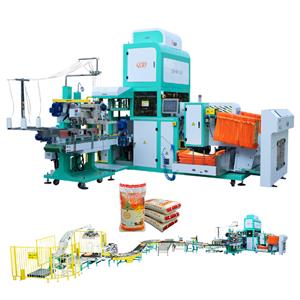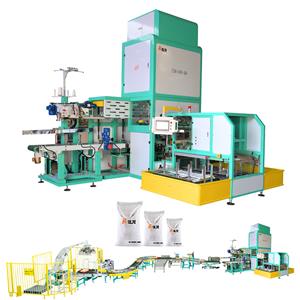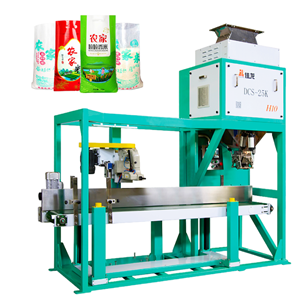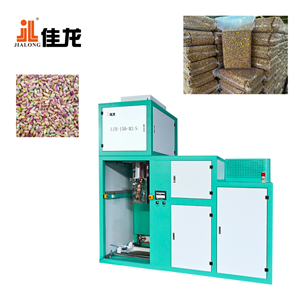
Quality Control Points Along a Granular Vacuum Packing Line
A final inspection at the end of the line finds problems after every possible mistake has compounded. Quality control on a granular vacuum line works better as a series of small checkpoints, each placed where one specific defect is cheapest to catch.
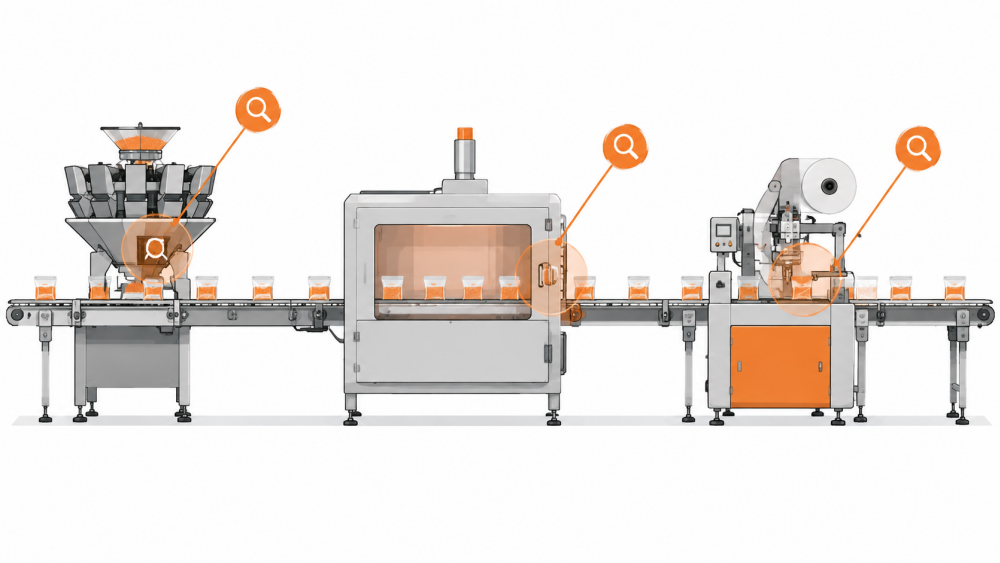
Checkpoint one: dose verification at the weigher: Every underweight or overweight bag originates here, so the first check belongs here too. Inline checkweighing of the dosed product, before it enters the bag, catches scale drift within minutes. The alternative, discovering weight variance at palletizing, means opening and repacking, which costs multiples of the checkweigher's price on any serious packing line. A phone video of the automatic vacuum packer cycling at your line speed is worth more than a glossy catalogue.
Checkpoint two: residual air after evacuation: Bags that leave the chamber soft, or re-inflate within minutes, signal evacuation faults: worn pump, leaking lid gasket, or a cycle time set too short for the current product. A squeeze-and-observe routine on sampled bags from the vacuum packaging machinery, or an inline residual-oxygen measurement on oxygen-sensitive goods, catches this before sealing locks the problem in. Grain vacuum packing machine settings drift slowly, which is exactly why they escape notice without a checkpoint. The automatic vacuum packer should be judged by a hundred-bag weight check at the end of the first production run.
Checkpoint four: contamination screening: Metal detection or X-ray screening placed after the last handling step catches what processing upstream introduced. Placement matters: after the bag is sealed means rejects are whole bags; before sealing means product recovery is possible. Granule lines with milling upstream benefit most, and the automatic vacuum packer discharge point is the last convenient position.
Records tie the checkpoints together: Each checkpoint should log its results, even briefly, because trends across shifts reveal drift long before single failures do. Vacuum packaging machinery suppliers increasingly support data export from their controllers; require it. Zhangzhou Jialong Technology Co., Ltd. documents recommended QC positions for its line configurations at https://jialongpacking.com/ for QA teams planning installations.
Industrial vacuum packaging quality control works best at fixed stations: check weight after dosing, check vacuum depth after evacuation, check seal integrity after the bar closes. On an integrated packaging line those checks feed one record. A grain vacuum packing machine with station-level data turns quality from an opinion into a number.
Industrial vacuum packaging quality is built at the stations, not inspected at the end. On an integrated packaging line, station-level records turn quality into a process. Check the vacuum depth after evacuation and the seal after the bar closes, and the rejects explain themselves.
Industrial vacuum packaging quality is built at the stations, and vacuum packaging machinery should record what each one sees. On an integrated packaging line, station-level checks turn rejects into explanations rather than losses.