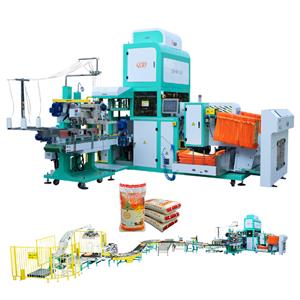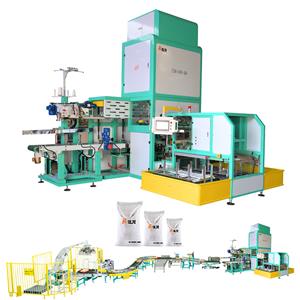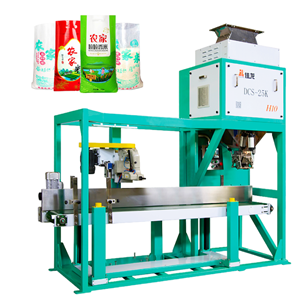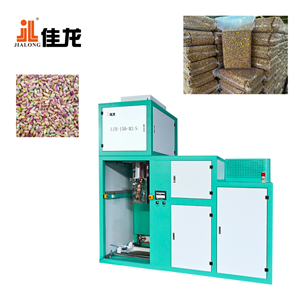
Rice Packing Machine Seminar: Freshness, Output and Line Interfaces
A rice packing machine is usually bought on throughput, and the argument starts six months later, when bags look right on the pallet and wrong in the buyer's warehouse. Zhangzhou Jialong Technology Co., Ltd. put that gap on the table on 6 November 2026, when mills, brands, research institutes and distributors filled the company's assembly hall in Zhangzhou, Fujian.
Two complaints before any slide: The opening skipped the product line-up and tabled two problems instead. Rice that leaves a plant in good condition does not always arrive that way, and nobody in a buying meeting could point to a number that settled it. Both live at the seam between processing and packing, where a grain packing machine either protects upstream work or undoes it.
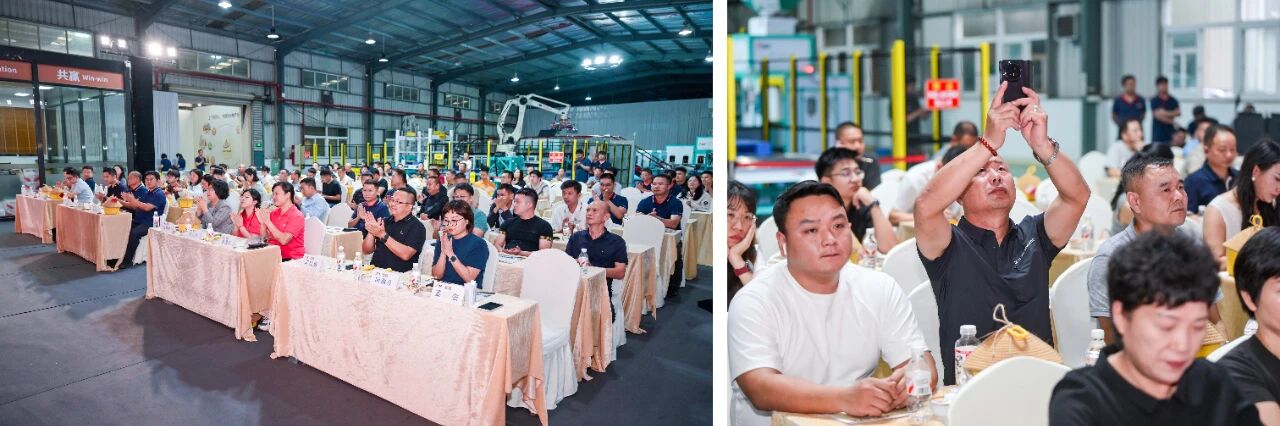
Seats filled without a press row or a VIP section. Visitors brought drawings, samples and line photographs, and the morning ran long because questions were not parked.
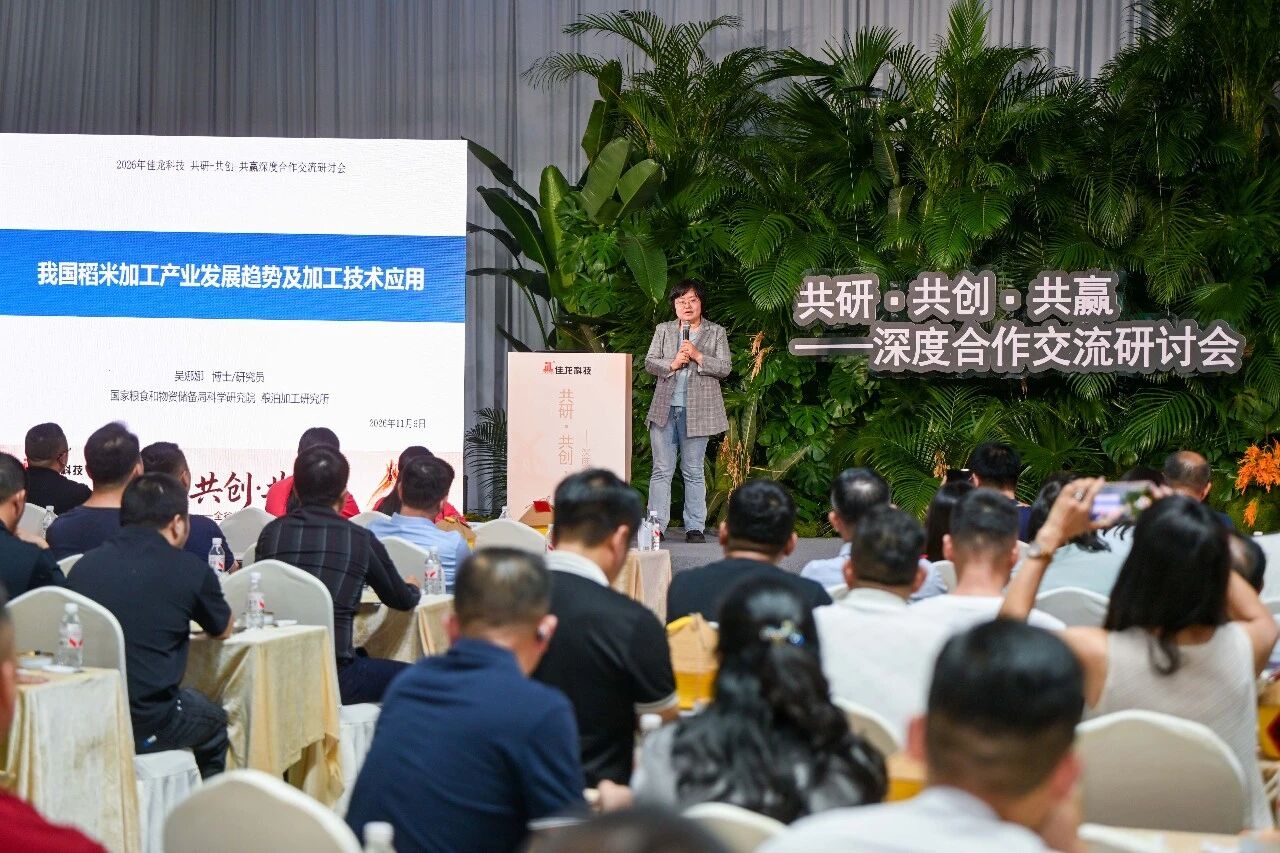
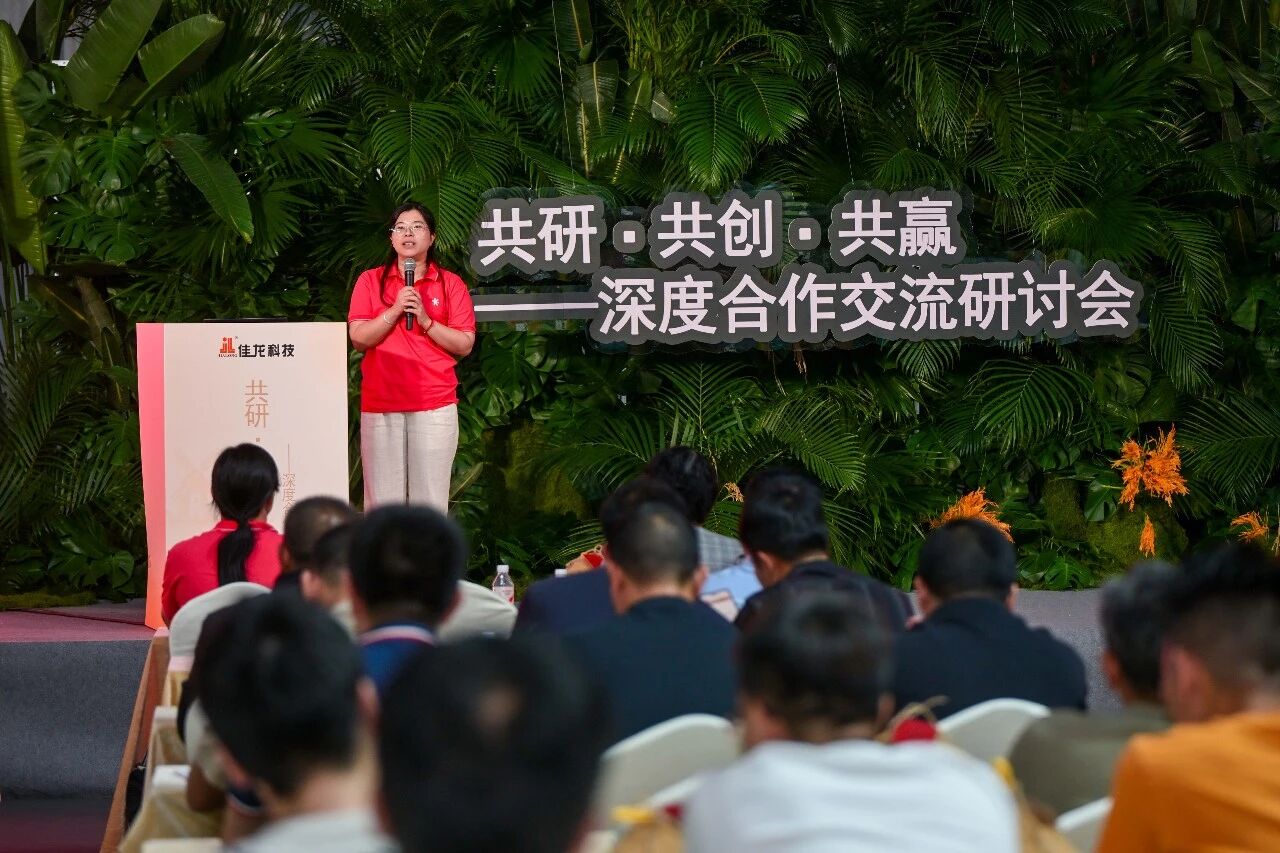
Three speakers, three seats in the room: Dr Wu Nana, a researcher at the Academy of National Food and Strategic Reserves Administration, opened with the national whole grain action plan and what it asks of process control. From the brand side, Carlton walked through a single new product from first trial batch to shelf. Jiang Ying, general manager of Jialong, closed by tracing the company's route from stand-alone units toward full lines, with the data layer arriving last and changing how a grain packing machine gets specified.
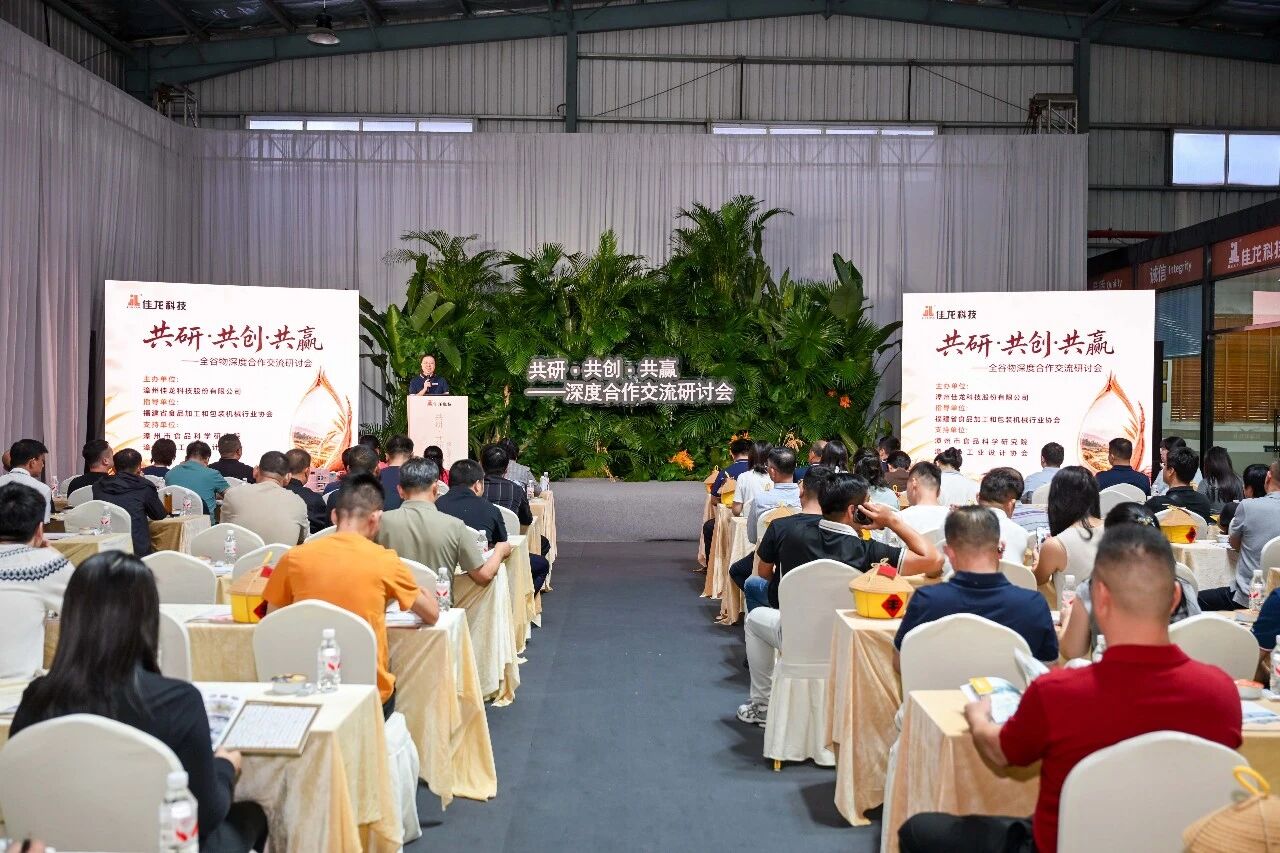
The order let a mill manager hear what a brand expects while the brand heard what a research institute treats as unresolved. Policy, shelf and equipment rarely share an hour, and the friction was useful. A rice packing machine specification is where much of that friction finally lands.
Where the equipment actually fails: Most technical discussion landed on interfaces. A weigher holding accuracy on a bench drifts once fed by an elevator with uneven discharge, and an automatic packing machine is only as good as the handover points on either side. A chamber sealing cleanly in isolation still delivers soft packs when the bag is presented at an angle, and a rice vacuum packing machine calibrated on clean product hides that failure until a buyer opens the pack. The same question decides whether a rice vacuum packing machine belongs in year one or year two.
Data came up, never in the abstract. Buyers ask for hourly output tied to one material, one fill weight and one reject rate, treated as a package. A bare throughput number invites a comparison that collapses in a real factory, and a rice packing machine and an automatic packing machine specified that way can be checked at acceptance instead of argued about later. An automatic packing machine sold on a headline rate alone is usually the one that needs renegotiating.
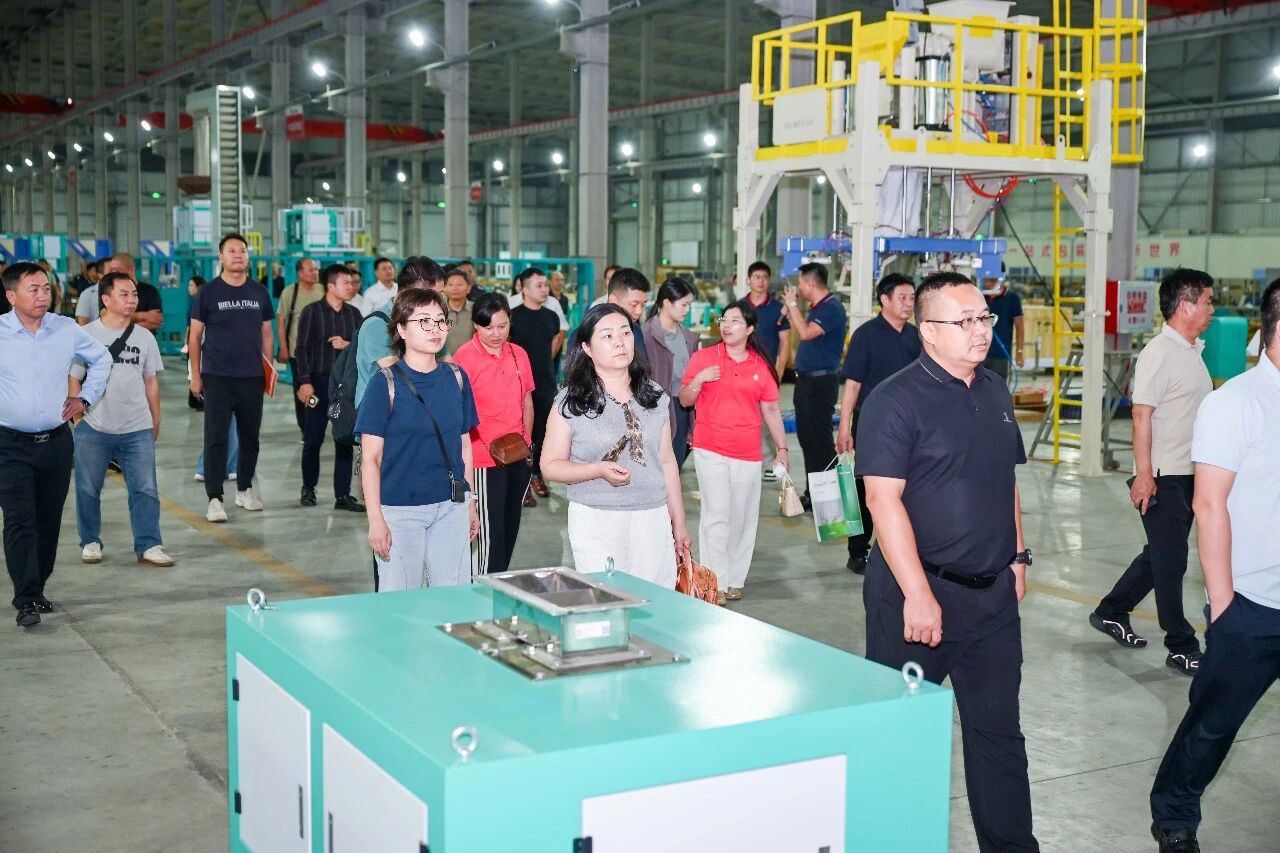
The factory walk changed the questions: The group moved into the manufacturing base, where lines run instead of being described. Cycle time gave way to changeover: how long a format change takes, what the operator must reach, where a jam is cleared from, and whether the plant can add a second product next season. Every answer sits in a packing line layout rather than a machine manual, and editing that packing line layout is cheaper on paper than in a building.
Standing beside a grain packing machine half-built on the floor answers what no catalogue can, especially how much is standard and how much is made for the order. Several visitors stayed at one station to ask about wear parts, guarding and the tools an operator keeps at hand.
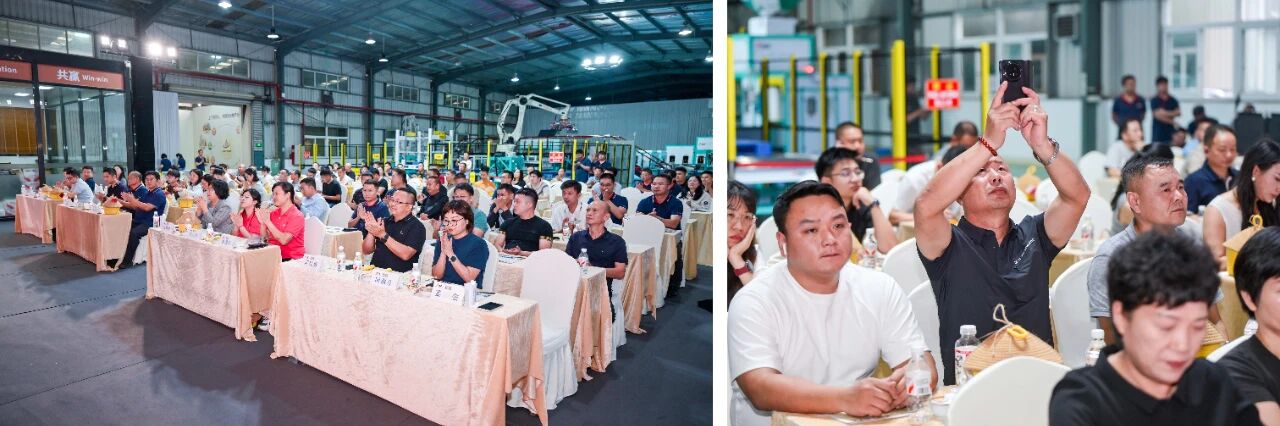
Output on any grain packing machine depends on buffer capacity between weighing and sealing, on how full bags leave the line, and on whether the operator has a clear path. Without reserved reach space an automatic packing machine turns a generous drawing into a bottleneck within a season. Several guests left with a revised packing line layout rather than a new machine shortlist, and a packing line layout that survives the second product is worth more than one drawn for the first.
What the day produced: No standard answer emerged, only a shorter list of questions: which material, which bag format, what weight tolerance, what the line must do on a bad day, and who owns the handover between two vendors. Nearly all belong to a rice packing machine decision long before a price appears.
Zhangzhou Jialong Technology Co., Ltd. publishes project experience from its own factory and customer installations. For a team preparing a line, the starting point is a material sample and a target output, not a machine list. Any rice vacuum packing machine on the shortlist should be judged against the same records. Write to export@jialong.cn or review the range at https://jialong-packing.com/ before a layout is drawn.