Soybean Vacuum Packing Begins with the Incoming-Material Brief
Soybeans can look uniform in a bin while carrying whole beans, splits, skins and fines. A soybean vacuum packing machine receives that mixture through weighing, filling and sealing. An industrial vacuum packaging machine depends on incoming condition and bag.
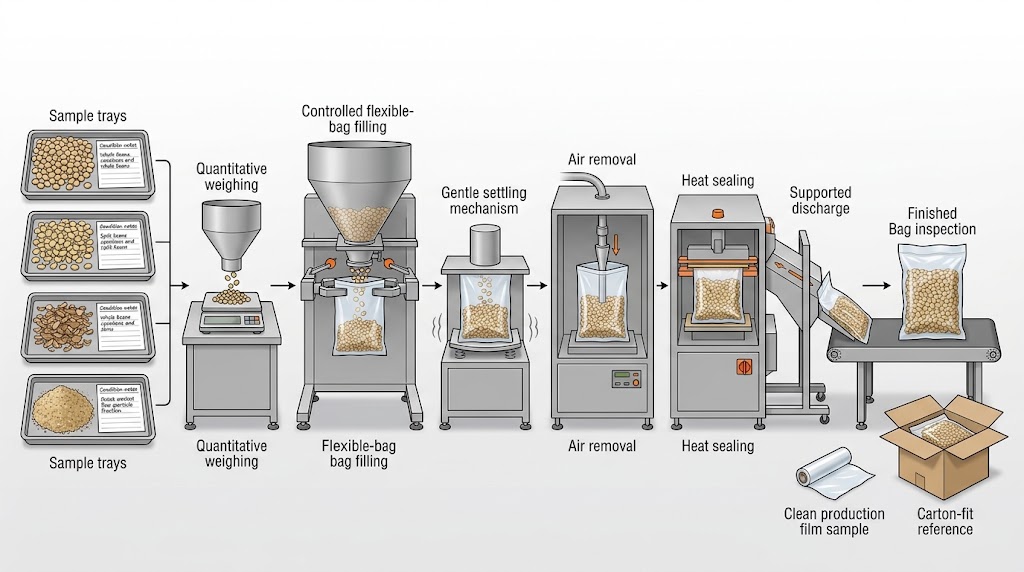
The material brief starts upstream: Cleaning, drying, holding and transfer can change the blend that reaches the filler. The automatic weighing and packing machine should be reviewed with a representative soybean lot, including the fraction that normally appears after handling. A demo can hide the interface. The industrial vacuum packaging machine receives that lot after dosing. The automatic grain vacuum packing machine can then be assessed against the same material.
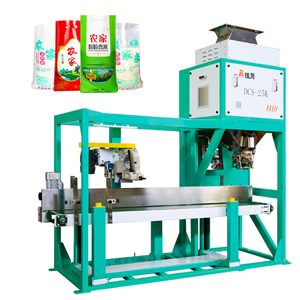
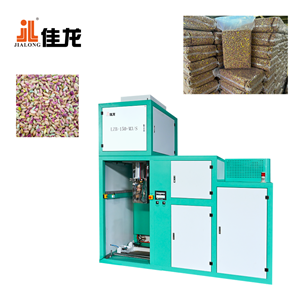
A bean application is published, not a promise: Jialong's beans vacuum pack machine page lists beans among its applications. That gives the vacuum packaging machine for beans a project reference, supports a soybean vacuum packing machine discussion and frames the grain-line review. It is a project reference; actual samples are still required.
Dosing shapes the handoff: Weight alone does not show where the beans sit in the bag. Drop height, headspace, split beans and fines can change the fill surface before air removal. The automatic weighing and packing machine record can sit beside photographs of the filled bag so a later seal observation has a traceable starting point. The vacuum packaging machine for beans trial can use those images to explain a changed fill surface.
Vacuum changes the package geometry: As an industrial vacuum packaging machine removes air, the flexible bag settles around the beans. A soybean vacuum packing machine trial can record pack outline, seal position and support during discharge. The vacuum packaging machine for beans result belongs to the tested product, film and target weight; it does not by itself establish a storage period.
Bag construction belongs in the same file: Film structure, seal layer, dimensions, puncture resistance and closure features influence filling and sealing. The automatic weighing and packing machine compares bags when sample identity is retained. The automatic grain vacuum packing machine arrangement should use the production film, not a generic pouch. A bean-packaging trial is meaningful only with that final film.
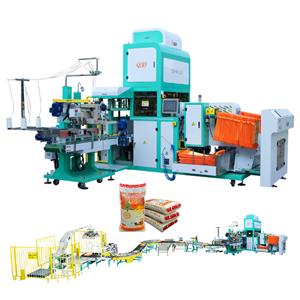
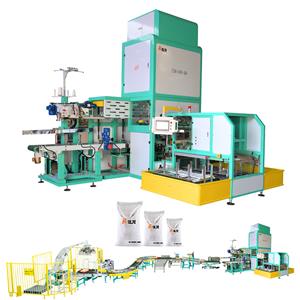
The published grain workflow gives a framework: Jialong's fully automatic grain vacuum packing page supports a grain process discussion. An automatic grain vacuum packing machine review connects feed, weighing, filling, vacuum, sealing and conveying around the soybean bag and downstream equipment. The industrial vacuum packaging machine layout follows that evidence.
Preservation claims need a test: Moisture, oxygen exposure, temperature, seal integrity and film affect the result. A vacuum packaging machine manufacturer can provide line samples; the buyer's protocol determines evaluation. A sealed appearance does not prove protein retention, pest control or shelf life. The automatic weighing and packing machine record remains the reference.
Acceptance follows the line path: The soybean vacuum packing machine record links incoming condition, dose, fill position, evacuation, seal and discharge. The automatic grain vacuum packing machine and vacuum packaging machine for beans records can be compared with the final bag. The dose record helps the vacuum packaging machine manufacturer separate material, bag and interface issues. Contact Zhangzhou Jialong Technology Co., Ltd. through jialong-packing.com or export@jialong.cn for a configuration review.