Thermodynamic Zoning and Puncture Resistance in Heavy-Duty Bagging
Thermodynamic Zoning and Puncture Resistance in Heavy-Duty Bagging
Published on: May 4, 2026 | By Jialong Mechatronics Desk
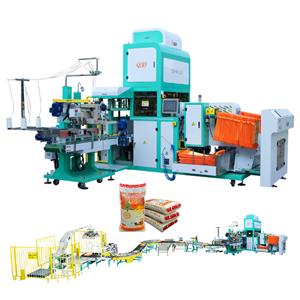
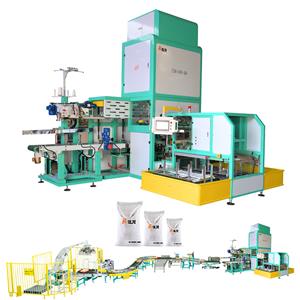
The physical mechanics of removing oxygen from a dense granular mass inherently distort the surrounding polymer. When standard machinery pulls a high negative pressure, the packaging film aggressively shrinks and conforms to the irregular shape of the product. This uncontrolled thermodynamic shrinkage warps printed data arrays, resulting in a 40% failure rate when Optical Character Recognition (OCR) scanners attempt to read barcodes at retail checkpoints. To resolve this critical supply chain bottleneck, engineers cannot rely on basic sealers. It requires an advanced automated rice packing machine line equipped with zoned thermal isolation capabilities. By deploying this specific tier of industrial rice packing equipment, facilities can manipulate the film tension dynamically.
A state-of-the-art smart vacuum sealing machine utilizes specialized forming molds that apply differential heat. The hardware selectively shields the designated barcode and nutritional data zones from direct thermal stress, ensuring that specific surface area remains perfectly flat while the rest of the brick contracts. Integrating this zoned flat-surface process into a high-speed automated rice packing machine line guarantees that every single unit achieves 100% optical readability. This is the exact engineering standard expected from top-tier precision weighing packaging machinery operating in modern omnichannel environments.
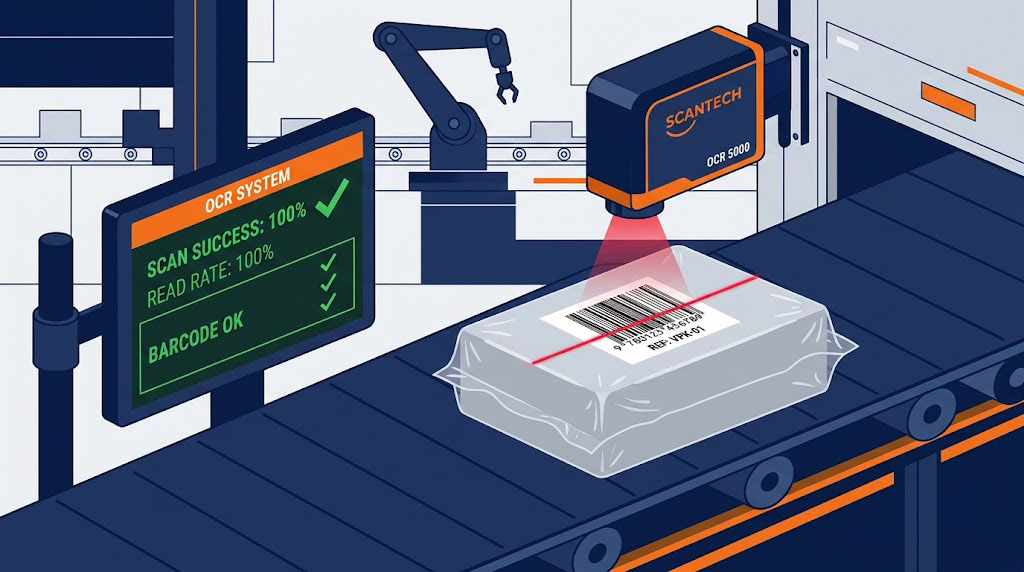
Figure 1: Laser scanning analysis verifying optical clarity on a flat-zone surface produced by a smart vacuum sealing machine.
Surviving E-Commerce Pressure Differentials
Optical clarity solves retail checkout failures, but e-commerce logistics present a brutal physical challenge. Direct-to-consumer shipping routes subject packages to severe impact forces and radical altitude temperature fluctuations. Standard single-layer films shatter upon impact. Operating a reliable heavy duty vacuum packing system means processing ultra-thick, three-layer puncture-resistant composite materials equipped with micro-porous pressure valves. These specialized valves automatically bleed excess internal atmosphere when altitude drops cause gas expansion, preventing the package from bursting inside the delivery courier's truck.
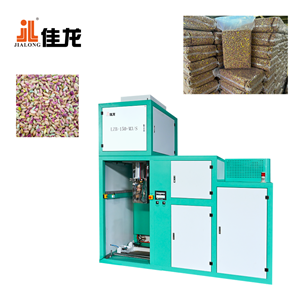
However, fusing three-layer composites requires immense mechanical force. A standard bagger will fail to penetrate the thick layers. A commercial-grade heavy duty vacuum packing system utilizes high-torque pneumatic cylinders and PID-controlled thermal jaws to execute a flawless hermetic weld through these dense air-chambered materials. When a facility upgrades its industrial rice packing equipment to handle these complex logistics polymers, product damage rates drop to near zero.
| Hardware Metric | Basic Equipment | Advanced Integration |
|---|---|---|
| Film Deformation Control | Uncontrolled Shrinkage | smart vacuum sealing machine with zoned isolation |
| Throughput Consistency | High Reject Rates | Seamless precision weighing packaging machinery alignment |
| E-Commerce Material Capability | Single-layer failure | heavy duty vacuum packing system processing 3-layer films |
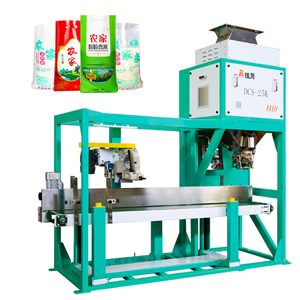
Mastering these exact mechanical parameters is what separates an elite automated rice packing machine line from obsolete production assets. If you intend to scale operations globally, your industrial rice packing equipment must natively support optical data integrity and extreme logistics survivability. You cannot afford to deploy a precision weighing packaging machinery platform that fails at the final thermal sequence.