Three Decisions Decide a Vacuum Packaging Line Upgrade
A vacuum packing machine is often chosen by pump rating, but a vacuum packaging line upgrade usually turns on three quieter limits: how the product behaves under negative pressure, how many bag formats the mold can serve, and who keeps the vacuum packing maintenance records. Writing those limits into one automatic vacuum packaging brief shortens the negotiation.
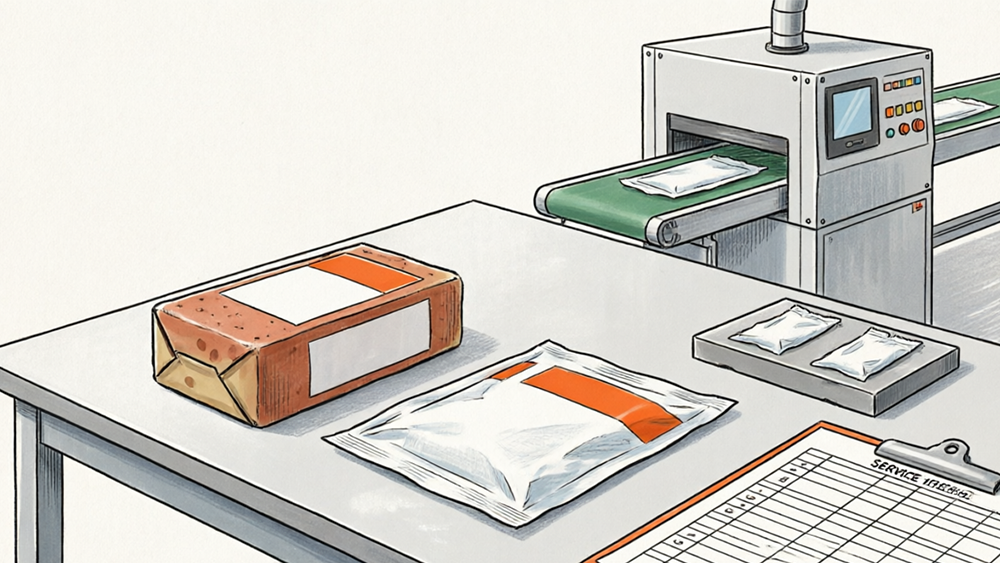
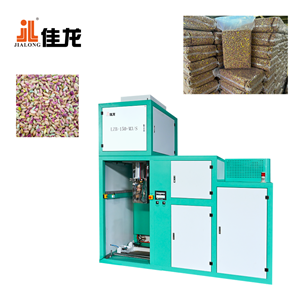
Product and film change the vacuum result: Trapped air is only part of the load. Film layers, product surfaces and packaging materials can release small amounts of gas during evacuation and storage. The same vacuum packing machine setting can give a different result on two products or films. So samples, film structure and mold replacement history belong in the first page of a vacuum packaging line brief. A supplier who has seen those samples can discuss a practical automatic vacuum packaging solution for the line, not just one station.
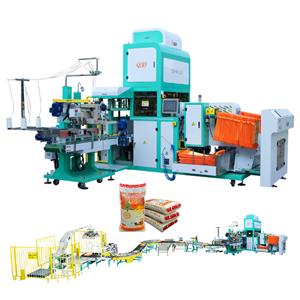
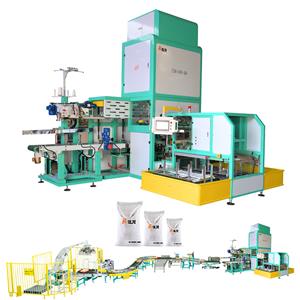
The process order exposes hidden interfaces: Jialong's automatic vacuum packing category lists bag giving, weighing, filling, shaping, vacuum, heat sealing, discharge and conveying. Reading the sequence aloud with the floor plan shows where material enters, where a rejected pack leaves, where mold replacement windows sit, and who owns the handover. An automatic vacuum packaging project that leaves those interfaces undefined often gets a vacuum packing machine quotation for a vacuum packaging line that cannot run.
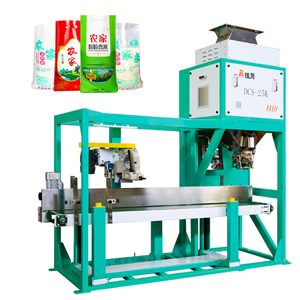
Mold range decides daily flexibility: A listed model on the same page uses touch-screen control and changes molds in about three minutes without tools. That feature matters most when several bag sizes share one vacuum packing machine. A quick mold replacement does not remove the paperwork: which film roll matches each mold replacement position, what the first three packs must look like and who signs off. The useful question is how many formats the plant expects in one week.
Service records keep the result repeatable: Jialong's maintenance guide names vacuum pumps, heating elements and electrical controllers as inspection points. Vacuum packing maintenance then becomes a shared document: which tasks are done weekly, which parts are stocked and how the findings are recorded for each vacuum packaging line. A generic part that almost fits can undo a correct vacuum packing machine setting, so sourcing belongs in the same file.
Put the service list beside the quotation: The service page lists parts inspection, ex-factory inspection and installation and commissioning. Those items answer a different question from capacity: how the automatic vacuum packaging equipment is checked before shipment and supported after arrival. A supplier response that names vacuum packing maintenance timing and written results is easier to compare than a promise of lifelong support. The same comparison can ask whether mold replacement parts are inspected on a schedule.
One brief can hold all three decisions: Product and film samples; bag formats and mold replacement data; vacuum packing maintenance responsibilities and service scope. A vacuum packaging line is not only a set of stations; an automatic vacuum packaging project is also an agreement about samples, limits, records and responsibility. If both suppliers can reply to those sections with conditions, the next trial has a fair chance of matching production.
Zhangzhou Jialong Technology Co., Ltd. can be contacted at jialong-packing.com, export@jialong.cn or +8613806951676.