Chamber Layout Choices on a Granular Packing Line
Chamber layout fixes a line output ceiling before a single weigher or conveyor is ordered. Pick too small and the line bottlenecks at the chamber of the vacuum packaging machine; pick too large and capital sits idle. The three common layouts differ in how loading and evacuation overlap, and that difference decides which vacuum packaging machinery fits.
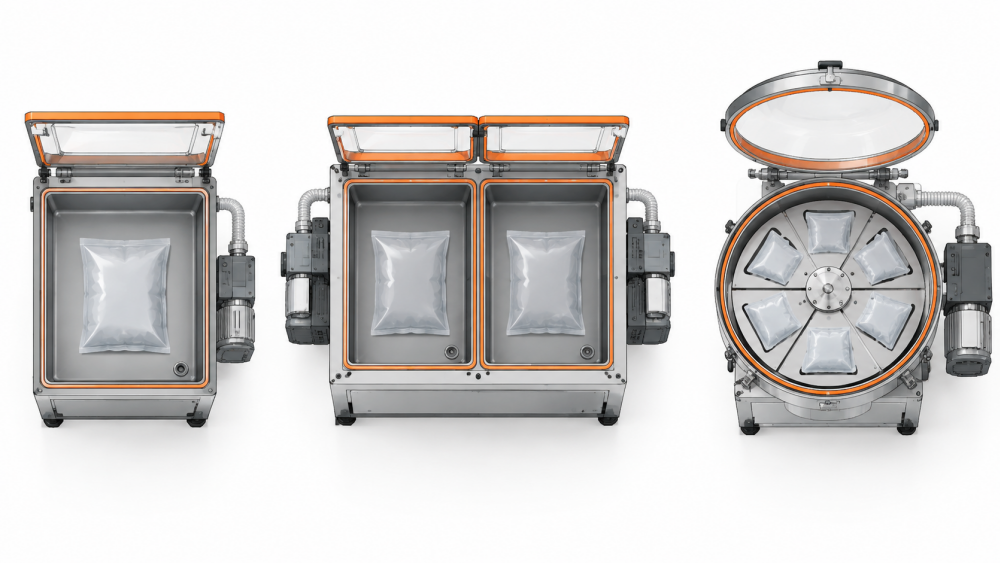
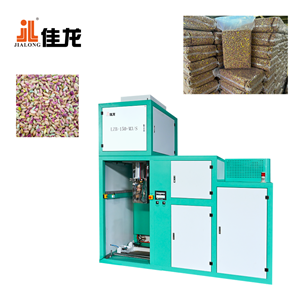
Single chamber: simple and serial: One chamber, one bag, one cycle at a time. Loading, evacuating, sealing and unloading happen in sequence, so time per bag is the sum of all four. For workshops handling a few hundred bags a day, this is the honest choice: lowest cost, simplest maintenance, one operator. The limitation appears the moment volumes grow, because the chamber idles while the operator loads the next bag. A vacuum packaging machinery line should have a written rule for a failed seal check: adjust, stop, or hold the bag, decided before the run starts. A one-page station checklist helps new sealer vacuum packaging machine operators more than a thick manual, especially in their first week.
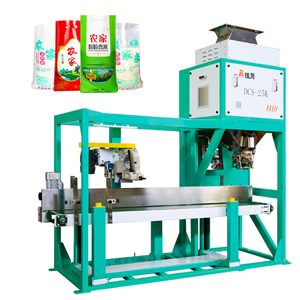
Double chamber: overlapping halves: In practice, two chambers share one pump and control system, alternating cycles. While one side evacuates and seals, the operator loads the other, so idle time shrinks sharply and hourly output rises without doubling the footprint. It suits mid-volume lines producing flat bags of rice, seeds or pellets where one worker can keep both sides fed. The vacuum packaging machinery around it, mainly the weigher and takeaway conveyor, needs to keep pace with the alternating rhythm. Where many lines fall short is the difference between automatic vacuum packer on paper and the same unit on your floor.
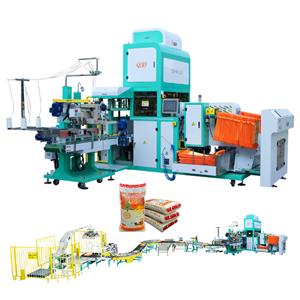
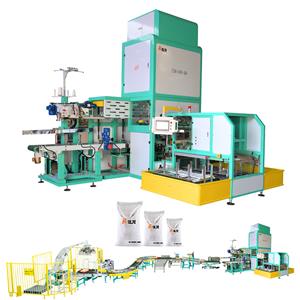
Rotary and continuous layouts: When bags arrive pre-made on a conveyor and no hand-loading is wanted, rotary tables or belt-type chambers take over. Stations handle bag loading, evacuation, sealing and discharge simultaneously, so cycle time per station can be long while output stays high. An automatic vacuum packer of this type pairs naturally with multihead weighers and forms the core of high-volume grain lines, at the cost of footprint, capital and steeper maintenance. Fine particles below 200 microns generate static during automatic vacuum packer filling, and an ionizing bar or antistatic film is worth specifying.
What ties the layouts together: Every layout still needs the same three things right: a pump sized for continuous duty, a sealer vacuum packaging machine section matched to the film, and evacuation settings tuned to the product. Chamber layout changes how those tasks overlap, not whether they matter. A poorly sealed double-chamber line produces bad bags faster than a single chamber, nothing more. A competent vacuum packaging machinery supplier will explain what changes between products and who is responsible for each adjustment. When comparing sealer vacuum packaging machine service contracts, compare them with the cost of a lost production day.
Sizing the layout to your numbers: One detail that matters: start from daily output, divide by working hours, and compare the result against demonstrated cycle times per layout, not brochure peaks. Add a margin for product changes and cleaning. If the numbers land between two layouts, simulate a production week with trial bags before committing. Zhangzhou Jialong Technology Co., Ltd. Publishes line configurations at https://jialongpacking.com/ for buyers comparing options. A rice line that runs 5 kg and 25 kg in the same week depends on stored sealer vacuum packaging machine recipes, not on one operator remembering two processes.