Four Inputs That Fix Your Vacuum Packaging Machine Budget
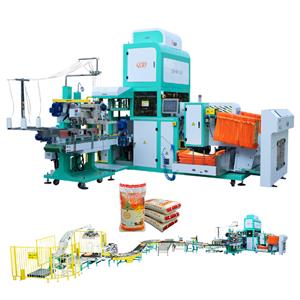
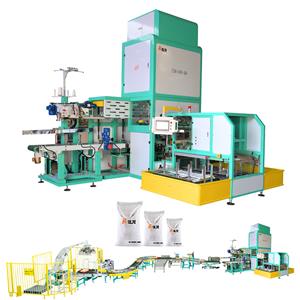
Ask three suppliers for an automatic vacuum packaging machine quote and you will get three different numbers. Not because they are cheating you. Because nobody told them what the machine actually has to do. Four inputs narrow the field: what bag it must finish, how many per hour, what the product does under vacuum, and which film carries it. Fix those four and the price range snaps tight. Leave them vague and every quote answers a different question. The industrial vacuum packaging machine that looks good on paper still has to survive your floor.
When a vacuum packing machine price lands far below the others, ask which components were changed to reach it. On granular product lines, the answer usually involves the pump or the panel.

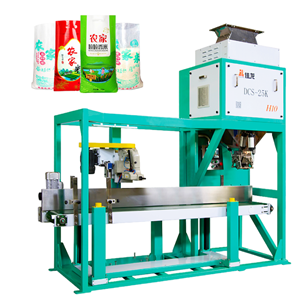
Input one: bag format and weight: A flat 500 g pouch, a 5 kg brick, a 25 kg woven sack. Three different chamber depths, three different pressing setups, three different seal widths. Heavy bags need thicker film and more jaw force. State the exact bag before asking for a price, and bring a sample if you can. Thinking about brick output within two years? Then the automatic vacuum packaging machine you order today should either include pressing now or accept it later. Retrofits cost more than options.
Freeze the bag format and output target before asking for a vacuum packing machine price. On a granular product project, changing either one halfway through turns the comparison into guesswork.
Input two: honest hourly output: Quote your average shift rate. Not the best hour of your best month. An industrial vacuum packaging machine sized for peak demand sits idle most of its life; one sized for the average struggles during season. Include changeover and cleaning time in the math. A good professional vacuum packing machine supplier will sanity-check your figure against demonstrated cycle times. If they do not flag a mismatch, that tells you something about the supplier too. Ask each vendor for changeover data on your two lightest and heaviest products.
Before any trial, list the granular product specs that will stay fixed: bag width, target vacuum level and seal temperature. The vacuum packaging machinery you finally accept should reproduce those three values on your own film, not on a showroom substitute.
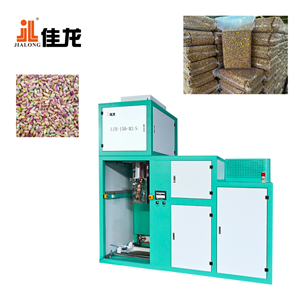
Input three: what the product does under vacuum: Rice is not pellets is not seeds. Brittle grains crack under aggressive evacuation. Oily seeds shift residual oxygen targets. Sticky powders clog seal areas. Each stresses the industrial vacuum packaging machine differently, and a single setting rarely carries across all three.
Keep one notebook for the granular product line and record pump warm-up time beside each batch. Over a month, the notes show how vacuum packaging machinery responds to humidity and film changes, which is more useful than any single audit.
Input four: film and its suppliers: A multilayer laminate seals differently from a PE-only bag. Local film availability affects lead times for the decade after purchase. Confirm the structure with your packaging material vendor, then hand that exact structure to the machine builder. Mismatches here cause more commissioning delays than any mechanical fault. Film width, bag weight and product density all shape how the automatic vacuum packaging machine cycle should be configured.
Judging a professional vacuum packing machine takes more than a demo bag. Run your own granular product material, change one setting, and watch how quickly the operator can recover.
From inputs to a defensible number: Fix the four inputs and the vacuum packing machine price comparison becomes apples to apples. Whatever differences remain between quotes reflect real engineering choices: pump brand, chamber layout, control system. Zhangzhou Jialong Technology Co., Ltd. provides specification worksheets covering these inputs at https://jialongpacking.com/ for procurement teams building their first budget. Batch records on an automatic vacuum packaging machine should capture seal width, jaw temperature and dwell time, because those three numbers explain most later failures. A purchase price is only one line in the project. Film loss, rejected product and emergency service visits can quickly overtake the saving.
A professional vacuum packing machine is easier to accept when the trial includes a deliberate mistake, such as a creased bag. On a granular product line, recovery time says more about the controls than any clean demonstration.
The budget should also include a short acceptance run, because vacuum packaging machinery performance on the buyer's own film is the number that settles the final cost.
Once those inputs are fixed, compare each vacuum packaging machinery offer against the same four lines: bag format, shift output, product behavior and film structure. An industrial vacuum packaging machine that cannot reproduce all four on your material should leave the shortlist, however attractive its first price looks.