Vacuum Technology Applications Across a Modern Packing Line
A packing line rarely treats vacuum as a single step. Rice leaves the hopper carrying inter-granule air, pellets trap pockets between particles, and finished bags need a shape that stacks without collapsing. Industrial vacuum packaging is therefore planned as a set of zones rather than one machine at the end.
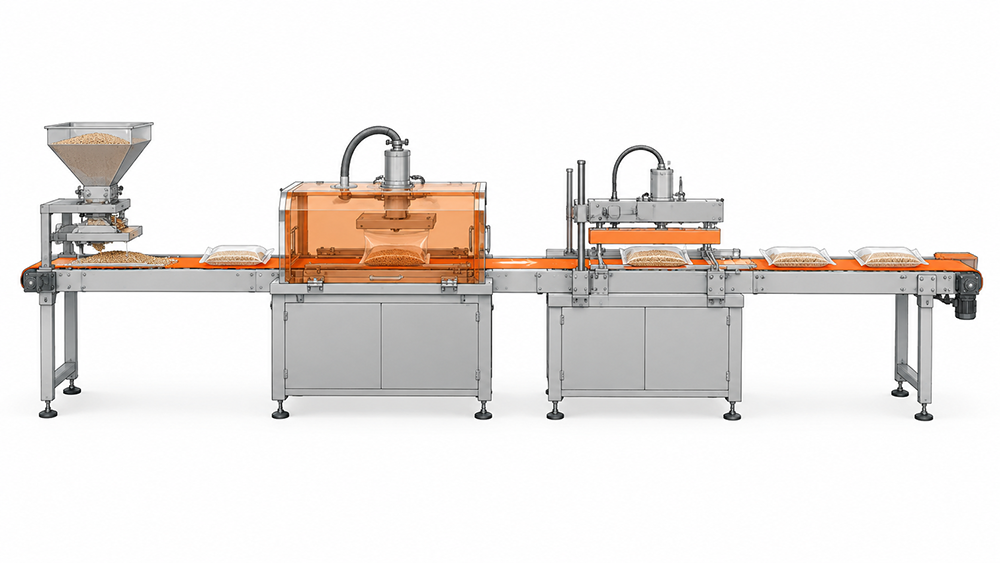
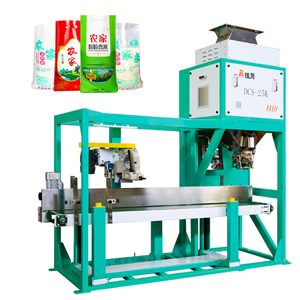
Where low pressure belongs before the weigher: Free-flowing granules carry between 20 and 40 percent air by volume depending on grain shape, and that air compresses during filling, shifting the final net weight. Lines that de-aerate product ahead of the weighing head see steadier fill weights. This stage does not need a full chamber; a conditioning hopper with a venturi or small pump is often enough, and the decision depends on how fluffy the material is and how tight the weight tolerance has been set. An automatic vacuum packer handles this best when the settling stage is built into its loading sequence rather than bolted on afterwards. Teams that document their trials with industrial vacuum packaging usually reach stable settings faster than teams that rely on memory. Buyers comparing options for sealer vacuum packaging machine get the most honest answers when quotations are built on identical inputs. Check industrial vacuum packaging against the film and bag weight it will actually serve. Ask for evacuation time in writing before committing to sealer vacuum packaging machine.
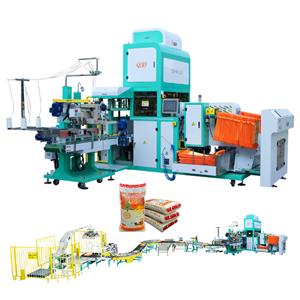
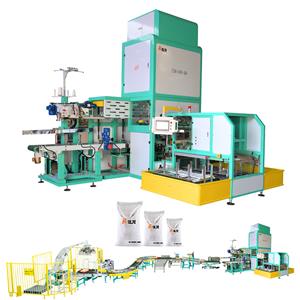
The chamber as the core: The step most buyers picture is the chamber itself, where a filled bag sits while air is drawn out and the mouth is sealed. A single chamber finishes one bag at a time, while a two-chamber layout lets an operator load one side during the other's cycle, and rotary vacuum packaging machinery designs overlap loading, evacuating and discharging continuously. Chamber volume matters as well, because an oversized chamber prolongs every cycle. Vacuum packaging machinery differs less in the vacuum it pulls than in how these stations overlap. The gap between rated and delivered performance with automatic vacuum packer usually lives in feeding rhythm and changeover time. Every specification for vacuum packaging machinery should be read alongside the film structure and the bag weight it will actually serve. Commissioning shows whether automatic vacuum packer matches its quotation. Dust and humidity mean vacuum packaging machinery needs settings stored per product. Check industrial vacuum packaging against the film and bag weight it will actually serve. Check industrial vacuum packaging against the film and bag weight it will actually serve.
Sealing under load: Once the bag is under vacuum, the sealer has a narrow window. Jaws on a sealer vacuum packaging machine close on film pressed tight against granules, so temperature, dwell and pressure must suit both the film structure and the product. A sealer vacuum packaging machine set for a thick laminated brick bag behaves differently from one running thin flat pouches. Dust at the seal area is the common failure point for granular goods, because fine particles caught between jaw faces create channels that leak slowly and only show up days later. Where dust, humidity or seasonal material changes are part of production, sealer vacuum packaging machine needs settings stored per product. Timed trials with your own bags answer most questions about automatic vacuum packer. Timed trials with your own bags answer most questions about vacuum packaging machinery.
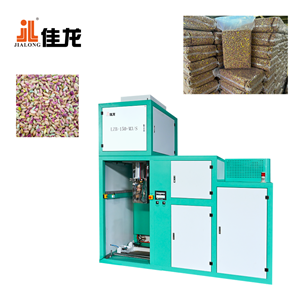
Shape formation and the optional flush: For rice and similar premium grains, pressing often follows evacuation: a pressing plate or mold applied while the bag is still soft under vacuum gives the stackable brick shape. Some products also gain from a nitrogen purge just before sealing, which suits oily grains and nuts far more than short-shelf-life commodities. Both stages belong to the same control system, because pressing too late or flushing too early costs more than it returns. Most complaints about vacuum packaging machinery trace back to one of three places: the seal area, the film, or the incoming product. Service reach and spare availability decide how industrial vacuum packaging performs in its third year, not in its first week. Timed trials with your own bags answer most questions about vacuum packaging machinery. Commissioning shows whether automatic vacuum packer matches its quotation. Commissioning shows whether automatic vacuum packer matches its quotation.
Planning the zones together: Treating de-aeration, chamber evacuation, sealing, pressing and flushing as one connected sequence keeps cycle times balanced, since the slowest zone sets line speed. The practical route is to map your material, bag format and target output first, then size each vacuum stage around that map. Zhangzhou Jialong Technology Co., Ltd. publishes line layouts and equipment overviews at https://jialong-packing.com/ for teams working through this comparison. Most complaints about automatic vacuum packer trace back to one of three places: the seal area, the film, or the incoming product. Ask for evacuation time in writing before committing to sealer vacuum packaging machine.
HTML Validation: PENDING - 外贸牛 retest pending (PENDING_EXTERNAL_RETEST)