-
2207-2023
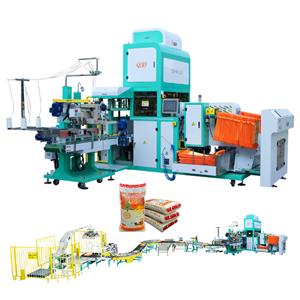
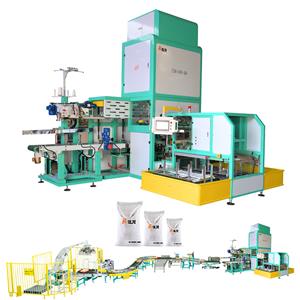
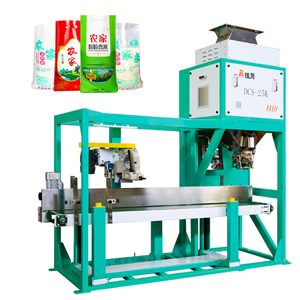
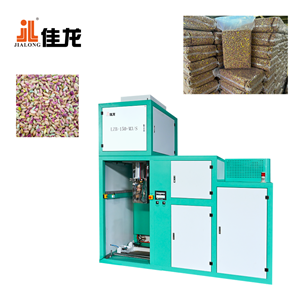
Key Features For Selecting a Rice Packaging Machine
When selecting a rice packaging machine, it is important to consider the following key features.
-
2905-2026
Mechanical Integration of Laser Traceability and PLA Thermal Processing
Standard negative pressure extraction physically masks oxidative degradation, preventing non-destructive batch verification and harvest traceability by the end-user. Concurrently, transitioning from traditional multi-layer plastics to biodegradable Polylactic Acid (PLA) polymers introduces severe thermodynamic sealing complications due to narrow melting thresholds. This technical analysis evaluates the mechanical integration of inline laser etching for harvest transparency and the deployment of advanced PID thermal loops to process sustainable materials without structural degradation.
-
2705-2026
Mechanical Mitigation of Thermal Condensation and Operational Cost Optimization
Severe ambient temperature differentials during logistics routing cause residual moisture vapor to condense within rigid packaging, creating localized mold risks. Concurrently, the complex integration of specialized films and inert gas processes inherently increases the capital expenditure per unit. This technical analysis evaluates the mechanical deployment of inline desiccant feeding systems and high-speed automation to stabilize internal thermodynamics while mathematically driving down per-unit production costs.
-
2505-2026
Mechanical Control of Biochemical Aging and High-Barrier Window Integration
Absolute negative pressure extraction prevents oxidative spoilage but simultaneously halts the micro-oxygen biochemical aging necessary for premium aromatic grains. Furthermore, standard opaque UV-blocking films prevent visual quality assessment by the end-user. This technical analysis evaluates the mechanical deployment of controlled atmosphere parameters and the thermal integration of silicon oxide-coated transparent windows. We detail how upgrading hardware algorithms allows facilities to balance optimal shelf-life with necessary biological respiration and optical transparency.
-
2205-2026
Mechanical Analysis of Surface Friction Coefficients and Mono-Material Thermal Sealing
Standardized negative pressure extraction creates smooth, rigid polymer surfaces with exceptionally low friction coefficients, directly resulting in structural instability during multi-layer warehouse stacking. Furthermore, traditional multi-layer composite films present severe recycling limitations, contradicting emerging global sustainability mandates. This technical analysis evaluates the mechanical integration of surface embossing matrices and narrow-window thermal controllers required to process mono-material polymers while maintaining absolute stacking integrity.
-
2005-2026
Technical Analysis of Substrate Flexibility and Olfactory Venting Integration
High-pressure extraction processes inherently produce rigid, monolithic packaging blocks that present mechanical incompatibilities for post-opening domestic storage. Furthermore, absolute atmospheric isolation eliminates the olfactory detection of batch degradation prior to the hermetic breach. This technical bulletin evaluates the mechanical deployment of engineered film pleating, resealable zipper integration, and peelable micro-vents to resolve structural rigidity and batch traceability limitations.
-
1505-2026
Thermodynamics of Aromatic Degradation and MAP Integrity
During the 03:00 shift at the Singapore Jurong port facility, ambient humidity hit 89% at 39°C. Total oxygen deprivation inside the bulk bags caused catastrophic flavor compound degradation in the premium Jasmine harvest. A 12% drop in aroma intensity triggered immediate export rejection. Upgrading to a JL-VGN800 vacuum packing machine with nitrogen flushing integrated precision gas dosing. By recalibrating the MAP delivery valves to exactly 1.2% residual oxygen, the engineering team secured aromatic integrity and eradicated the margin leak.
-
0805-2026
Thermodynamics of Polymer Embrittlement and High-Mass Vacuum Preservation
At the -12°C Hokkaido frozen storage facility, extreme cold induced rapid polymer embrittlement during the 03:00 shift. The deep-freeze transit caused single-layer films to shatter upon impact, triggering a catastrophic vacuum decay rate exceeding 0.7 kPa/min. This mathematically destroys the margin. Integrating a specialized JL-VGB500 unit with PID-controlled pre-heating thermal molds neutralized the thermal shock. By recalibrating the sealing jaw pressure (kPa) and replacing standard films with low-temperature elastic polymers, the engineering team eradicated micro-stoppages and secured the global supply chain.
-
0605-2026
Thermodynamic Embrittlement and Polymer Failure in High-Capacity Granular Packaging
At 04:00 inside a Harbin transit hub, Logistics Supervisor Chen identified a catastrophic material failure. Operating under -5°C ambient temperatures and severe 40Hz railway vibration, standard polyamide films processed by the legacy 25 kg rice packing machine became fatally brittle. A 2.1% rejection rate across a 60-ton daily run equates to $4,500 in lost margin weekly. The engineering team immediately halted operations, integrating elastomer-toughened polymers and recalibrating the sealing jaw PID dwell time. This exact material upgrade restored hermetic integrity, completely neutralizing cold-chain pressure leaks.