-
2605-2023
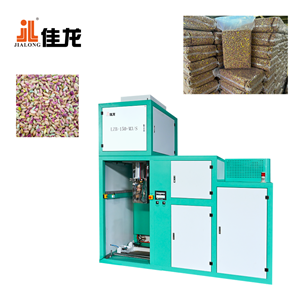
Advantages of pine nut automatic vacuum packaging machine
Advantages of pine nut automatic vacuum packaging machine
-
0508-2026
Vacuum-Packed Cat Litter Starts With a Testable Line Brief
On August 5, 2026, Jialong reviews the inputs needed to assess a cat litter vacuum packaging line, from material samples to formed-pack acceptance in line trials.
-
3107-2026
Vacuum Packaging Conditions for Granular Materials: Film, Product, and Setting Checks
Good granular vacuum packaging depends on the right product condition, the right barrier film, and the right machine settings. This article explains what buyers should check before finalizing a granular vacuum packaging application.
-
2907-2026
Limitations of Vacuum Packaging for Granular Materials: What Buyers Should Expect
Vacuum packaging works well for many granular products, but it also has practical limits. This article explains where material behavior, film constraints, speed, wear, and cost can reduce performance if buyers do not test the application carefully.
-
2707-2026
Common Granule Vacuum Packaging Problems and Practical Troubleshooting Checks
Granule vacuum packaging lines can suffer from low vacuum, seal drift, dust contamination, and product clogging. This article explains practical checks operators and buyers should understand before the issue becomes downtime.
-
2407-2026
What Is a Vacuum Forming Packaging Machine? Process Logic and Practical Uses
Vacuum forming packaging machines shape heated plastic around a mold and then seal the product inside a formed package. This article explains the basic process logic, main package formats, and practical applications buyers should understand.
-
2207-2026
The Growing Trend of Vacuum-Packed Nuts: Health, Shelf Life, and Better Distribution
Vacuum-packed nuts continue to grow because they combine freshness protection with premium snack positioning and better transport performance. This article explains the practical reasons the category keeps expanding.
-
2007-2026
Granular Vacuum Packaging Machines: Freshness Protection Beyond Food
Granular vacuum packaging machines protect more than food. They are also used where moisture, dust, oxidation, or transport stability matter. This article explains why buyers across several sectors still rely on granular vacuum packaging.